

Home additions are an excellent way to expand your living space and enhance your quality of life. Whether you need an extra bedroom for a growing family, a home office, or a sunroom to enjoy the outdoors, planning a home addition requires careful consideration of factors such as design options, costs, and potential return on investment (ROI). Our guide to HomeServe Home Warranty Review 2026 covers this in more detail.
Moreover, integrating a new space into your existing home can be both exciting and daunting. It involves not just physical construction but also emotional investment, as you envision the possibilities that added space can bring to your daily life. Engaging experienced architects or contractors can help ensure the design aligns with your vision and complies with local building codes.
Additionally, considering how the addition will impact your lifestyle and routines is crucial; for instance, a dedicated home office can significantly improve work-life balance. Furthermore, an addition can create a unique opportunity to enhance your home’s energy efficiency, particularly if modern materials and technologies are utilized.
This consideration not only contributes to a more sustainable living environment but can also lead to long-term savings on utility bills. Overall, investing in a home addition can transform your living space into a more functional and enjoyable environment, ultimately making your home better suited to your evolving needs.
| Addition Type | Average Cost per sq. ft. | Typical Size (sq. ft.) | ROI Potential | Notes / Benefits |
| Room Extension | $80–$250 | 150–400 | High | Bedrooms, kitchens, or living rooms add functional space |
| Sunroom / Conservatory | $50–$200 | 100–300 | Moderate | Adds natural light, aesthetic appeal, and leisure space |
| Second-Story Addition | $150–$400 | 300–800 | High | Maximizes living space without reducing yard area |
| Garage Conversion | $40–$100 | 200–500 | Moderate | Cost-effective living space conversion; ideal for offices or bedrooms |
| Luxury / Custom Addition | $250+ | Varies | Variable | Designer finishes, premium materials; highly customizable |
Understanding Home Additions
What Are Home Additions?
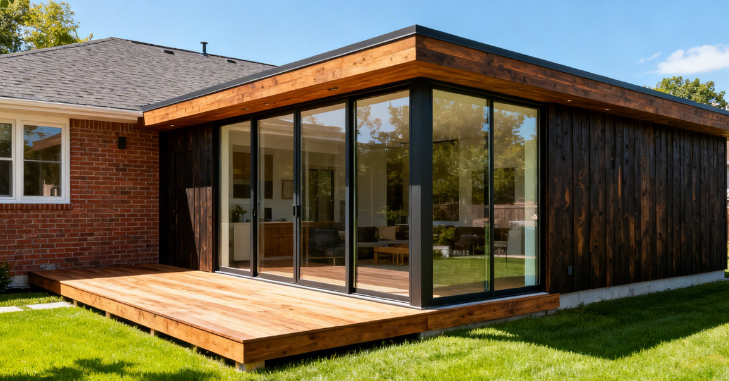
Home additions are construction projects that expand your home’s existing living space. These can include adding new rooms, extending existing spaces, or building additional levels to your home. They are designed to meet specific needs such as accommodating family growth, adding functionality, or improving aesthetic appeal.
Benefits of Home Additions
- Increased Space: Provides additional rooms for family members or activities.
- Enhanced Functionality: Can create specialized areas like home offices or playrooms.
- Added Value: Well-planned additions can significantly increase your property value.
Types of Home Additions
1. Vertical Additions
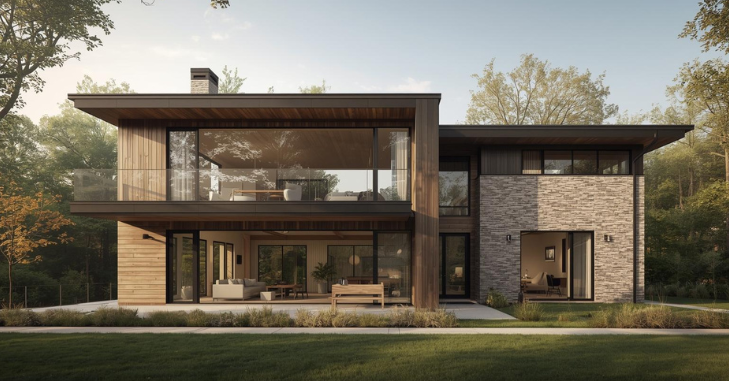
Vertical additions involve building up, typically by adding a second story. This is ideal for homes with limited yard space.
Pros:
- Maximizes existing footprint
- Often enhances home views
Cons:
- May require extensive foundation work
- Potentially disrupts existing living spaces during construction
2. Horizontal Additions
Horizontal additions expand the home outward. This could involve enlarging living rooms or bedrooms, or even adding a new room.
Pros:
- Easier construction process
- Less impact on the existing home structure
Cons:
- Requires more land area
- May affect landscaping
3. Sunrooms and Patios
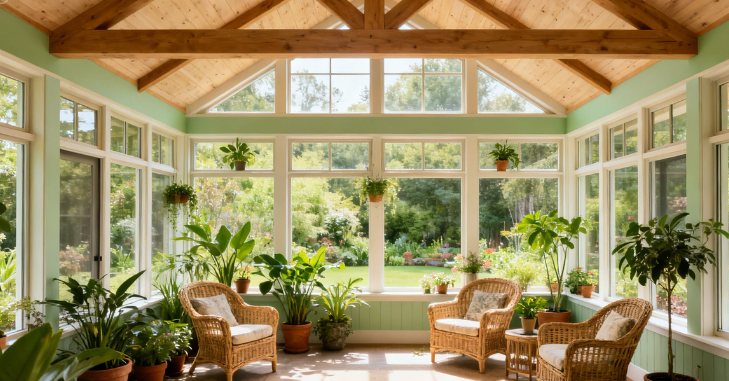
Adding sunrooms or enclosed patios is a popular choices that seamlessly blend indoor and outdoor living.
Pros:
- Quick build time
- Provides additional leisure space
Cons:
- Limited use in extreme weather
- Usually doesn’t add as much property value as other additions
4. Bump-Outs
Bump-outs are small extensions to existing rooms. They are perfect for expanding kitchens or adding space to a cozy living area.
Pros:
- Cost-effective
- Less extensive than a full addition
Cons:
- Limited space gain
- May require zoning permission
Planning Your Addition
Planning your home addition requires significant design considerations to ensure successful integration. First and foremost, achieving aesthetic harmony is essential; the new addition should blend seamlessly with the existing architecture to maintain your home’s overall character.
Additionally, functionality is paramount; the design must meet your specific needs, whether it’s creating more living space, a dedicated office, or a recreational area. Incorporating natural light through ample windows and open spaces can significantly enhance the new area’s brightness and ambiance, making it more inviting.
Furthermore, before starting any construction, it is vital to check local building codes and zoning regulations. Depending on your location, you may need various permits such as building permits, zoning approvals, and, for larger projects, impact assessments. Engaging with these considerations early in the planning process can lead to a smoother, more efficient construction journey.
Timeline and Scheduling
Planning is essential for a successful project. Typical timelines for home additions include:
| Phase | Duration |
| Design Phase | 1-3 months |
| Permitting | 2-4 weeks |
| Construction | 3-6 months |
| Total Time | 4-9 months |
Costs of Home Additions

Breakdown of Costs
When considering home additions, understanding the cost components is crucial. Here’s a breakdown:
- Design Fees: 5-15% of total project costs
- Materials: Varies by type; average between $100-$300 per square foot
- Labor: 30-50% of project costs
- Permits: Ranges from $500 to several thousand
Average Costs
On average, home additions range from $20,000 for a small bump-out to $100,000 or more for a larger, full-scale addition. Here are some general estimates:
- Bedroom Addition: $40,000 – $100,000
- Bathroom Addition: $30,000 – $60,000
- Kitchen Expansion: $50,000 – $100,000
- Sunroom Addition: $20,000 – $70,000
Return on Investment (ROI)
When considering a home addition, evaluating the potential return on investment (ROI) is essential for making informed decisions. Several factors can influence ROI, starting with market trends; it’s important to understand your local real estate market to gauge how much value an addition may add to your property.
Additionally, the quality of work plays a significant role; using high-quality materials and craftsmanship can yield better returns, as prospective buyers are often willing to pay more for well-executed additions.
Average ROI by Addition Type
Here’s a table that outlines the average ROI for common home additions:
| Type of Addition | Average ROI (%) |
| Bathroom Addition | 70-90% |
| Kitchen Expansion | 80-100% |
| Main Suite Addition | 60-70% |
| Sunroom Addition | 50-70% |
Choosing the Right Contractor
1. Research and Referrals
Finding a reliable contractor is a crucial step in your home addition project. Start by conducting thorough research, including online reviews, portfolios, and credentials, to assess the contractor’s experience and reputation. Additionally, seek referrals from friends or family who have completed similar projects. Personal recommendations can guide you to trustworthy professionals with a proven track record.
2. Interviewing Contractors
Once you have a shortlist of potential contractors, schedule interviews to evaluate their suitability. During these meetings, ask whether they have completed projects similar to yours; this demonstrates relevant experience. Request references from previous clients to understand their work ethic and quality of work. Finally, inquire about the estimated completion timeline to set realistic expectations for your home addition.
3. Contracts and Agreements
After selecting a contractor, ensure that the contract clearly outlines all project aspects. This contract should detail the scope of work and specify the tasks and materials involved. It should also clearly outline costs and payment schedules to avoid unexpected expenses. Establishing a timeline and deadlines is essential for keeping the project on track. Lastly, include provisions for warranty and post-completion support to address potential issues after the addition is complete.
Financing Your Home Addition
Financing Options
Funding your home addition can be done through various means:
- Home Equity Loans: Leverage your home’s equity.
- Personal Loans: Unsecured loans that don’t require collateral.
- Remortgaging: Taking out a new mortgage to fund the addition.
- Cash Savings: Avoiding debt by using personal savings for funding.
Budgeting Tips
Creating a budget for your home addition is crucial. Here are some tips:
- Prioritize Needs vs. Wants: Focus on what’s essential first.
- Include a Contingency Fund: Set aside 10-20% for unexpected costs.
- Track Expenses: Keep tabs on all spending to stay within budget.
Conclusion
Home additions can significantly enhance your living space and provide essential functionality, whether you’re accommodating a growing family or upgrading your home. Understanding the types of additions, associated costs, design options, and ROI can help you make informed decisions.
By carefully planning your addition and working with qualified professionals, you can transform your home to suit your lifestyle better and potentially increase its value. As you embark on this exciting journey, remember that the right addition can create lasting benefits that improve your quality of life for years to come.
Want to know about The Ultimate Prayer Plant Care Handbook: Tips for Thriving Foliage, Proper Watering, and Common Problem Solutions Check out our Gardening category.
FAQs
Most home additions require building permits, zoning approvals, and inspections. Permit requirements vary by city or municipality, and skipping them can result in fines or complications when selling your home.
Yes, well-planned additions generally increase property value and ROI, especially for kitchens, bedrooms, and bathrooms. ROI varies by the type of addition, local real estate trends, and the quality of the artistry.
The timeline depends on the project’s complexity and scale. Small single-room additions may take 6–10 weeks, while large multi-room or second-story projects can take 4–8 months, including design, permitting, and construction.
Costs vary widely based on Size, materials, design, and location. On average, room extensions range from $80–$250 per sq. ft., while second-story additions can cost $150–$400 per sq. ft. Luxury or custom additions may exceed $250 per sq. ft.

