
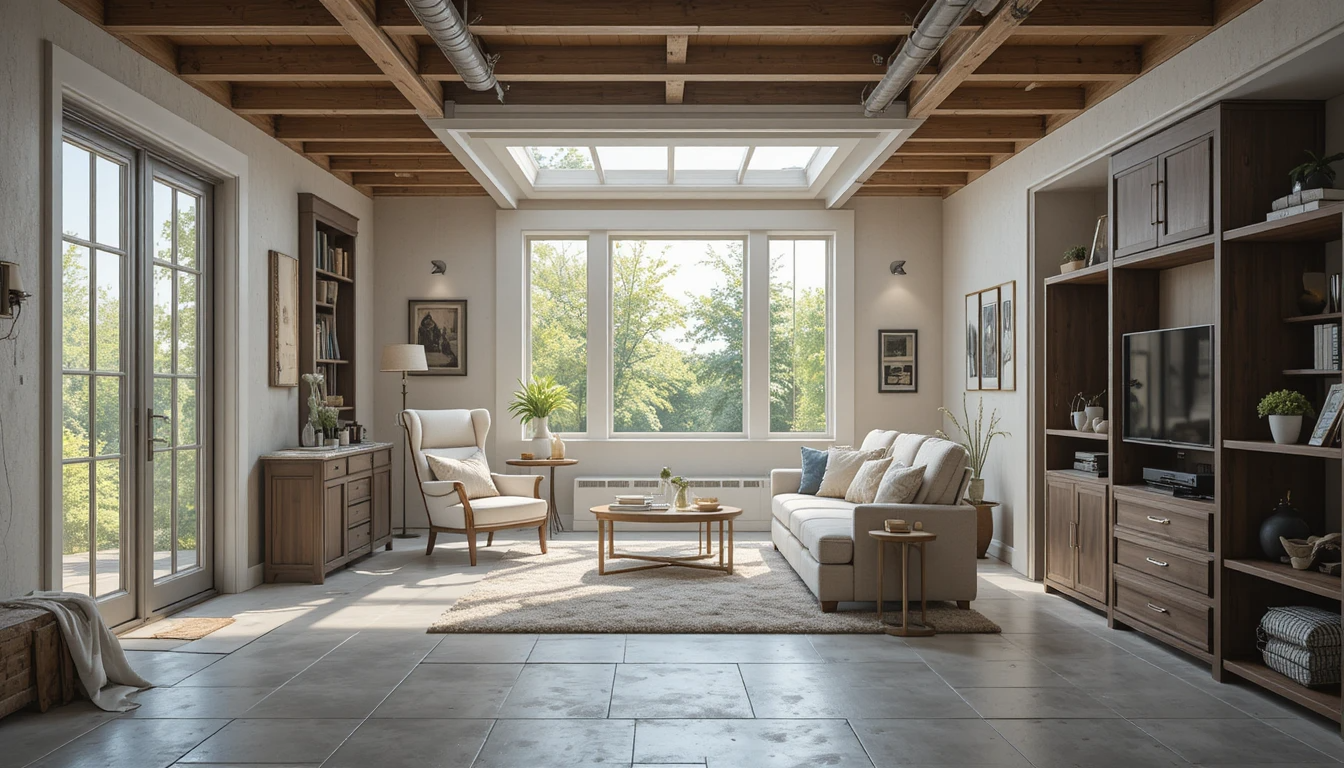
An egress window basement is an essential upgrade for homes, improving safety, natural light, and daily usability in below-ground spaces. These windows are crafted from reinforced tempered glass, with vinyl or aluminum frames, and feature corrosion-resistant wells for long-lasting performance. Installation requires precise wall cutting, waterproofing, and proper well placement, with costs ranging from $250 for DIY kits to $3,500 for professional installation.
Egress window allow basements to serve as bedrooms, offices, or recreational areas safely. Their contribution lies in combining comfort with structural integrity, offering emergency escape options. Ultimately, a well-installed egress window basement ensures safety, convenience, and improved home value for years.
| Basics | Details |
| Benefits | Improves safety, access, comfort |
| Egress Window Basement | Enhances emergency exit, daily usability |
| Materials | Tempered glass, vinyl, and aluminum frames |
| Manufacturing | Corrosion-resistant wells, precise molding |
| Installation | Wall cutting, frame fitting, and sealing |
| Professionals | Ensure alignment, code compliance, and durability. |
| Size | Widths 20–36 inches, heights 24–48 |
| Measurements | Accurate fit prevents leaks, waste |
| Costs | DIY $250, professional $1,200–$3,500 |
| Daily Use | Ventilation, light, furniture placement |
| Maintenance | Clean wells, check seals annually. |
| Safety | Fire exit, flood protection, compliance |
| Storage | Keep materials dry, flat, and away. |
| Features | Emergency access, waterproof, corrosion-resistant |
| Flooring | Moisture-resistant floors, proper leveling |
| DIY Options | Pre-fab kits, wall cutting, sealants |
Benefits
- An egress window basement improves safety, emergency access, and comfort in below-ground spaces.
- It is suitable for daily use in bedrooms, offices, or recreational areas.
- The design reduces mold risk, allows furniture placement flexibility, and increases property value.
- These windows integrate seamlessly with existing basement drainage and waterproofing systems, offering both functional and aesthetic benefits.
Materials and Manufacturing
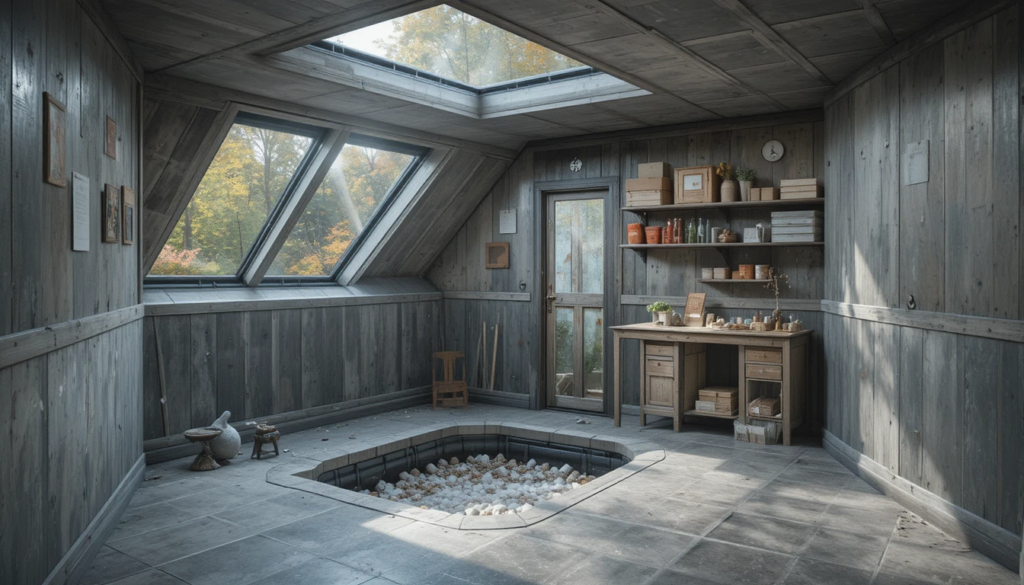
Egress windows are manufactured using reinforced tempered glass, vinyl, or aluminum frames, with corrosion-resistant well systems. Drainage wells are made of galvanized steel, polymer, or concrete. Manufacturing ensures weatherproofing, UV protection, and structural durability. Windows undergo precise cutting and molding to fit specific wall thicknesses, while coating and sealants enhance moisture resistance, shelf life, and long-term performance.
Egress Window Basement Installation
- An egress window basement installation involves wall cutting, frame fitting, and well placement.
- Proper insulation, waterproofing, and drainage gravel are added to prevent leaks.
- Installation length varies by wall thickness and is usually completed within one to two days.
- Professionals ensure correct alignment, sealing, and compliance with local codes.
- DIY is possible for small units, but hiring experts improves safety, accuracy, and long-term durability.
Size, Length, and Measurements
Egress window dimensions vary depending on basement height and code requirements. Widths are typically 20–36 inches, while heights range from 24–48 inches. Accurate measurement ensures proper fit, prevents leaks, and allows sufficient space for wells. Wall length and basement slope affect well depth. Measuring carefully reduces material waste and prevents installation errors.
Costs
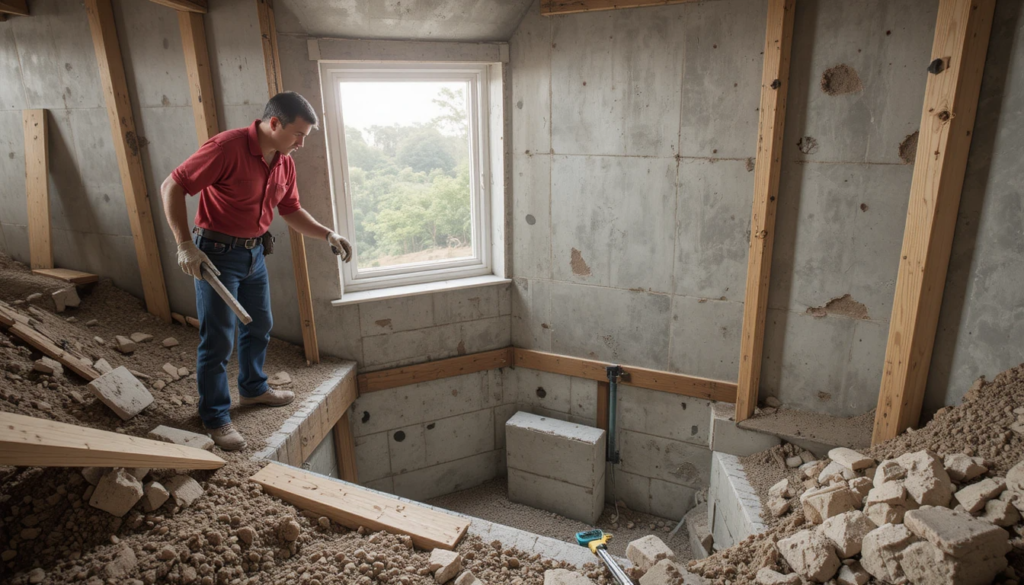
The cost of an egress window in a basement depends on materials, well type, wall modifications, and labor. DIY kits start around $250, while professional installations range from $1,200 to $3,500, depending on wall length and depth. Premium aluminum or steel wells and reinforced glass slightly increase expenses. Factoring in installation, waterproofing, and long-term maintenance ensures balanced budgeting for safety and lasting usability.
Daily Use and Functionality
Egress windows enhance daily basement functionality by providing ventilation, light, and easy access. Families use basements for bedrooms, playrooms, or storage safely. The window’s well allows furniture to be placed without obstruction and reduces dampness. Accessible design supports emergency escape, storage safety, and recreational use. Properly finished egress areas also improve indoor air quality.
Maintenance and Longevity
- Maintaining an egress window basement involves cleaning wells, inspecting seals, and ensuring proper drainage annually.
- Remove debris to prevent water accumulation and check for corrosion or damage.
- Regular inspection extends lifespan, supports structural integrity, and maintains safety.
- High-quality glass and well coatings enhance durability. Proper storage of spare materials and sealants ensures replacements are ready.
Safety and Legal Compliance

Egress windows are critical for safety, providing an emergency exit in the event of a fire or flood. Compliance with local building codes requires specific height, width, and depth. Proper installation reduces hazards, prevents structural damage, and ensures legal use of basement bedrooms. Combined with smoke detectors, ventilation, and waterproofing, the window supports daily living activities.
Storage and Shelf Life of Materials
Materials for an egress window basement must be appropriately stored before installation. Glass, frames, and sealants should be kept flat, dry, and away from heat. Galvanized steel or polymer wells require protection from moisture to avoid corrosion. Shelf life varies: glass and frames last decades, while sealants remain usable for 6–12 months. Correct storage ensures efficient installation and long-term performance in daily basement use.
Features and Advantages
Key features of an egress window include emergency escape access, waterproof wells, corrosion-resistant materials, and natural lighting. Flexible design allows customization for wall thickness, slope, and room purpose. Proper insulation and sealants enhance energy efficiency. Windows support safe, comfortable daily living while preventing moisture problems, thanks to features such as easy-opening mechanisms and durable frames.
Roles of Professionals
Hiring professionals for a basement ensures precise wall cutting, frame alignment, waterproofing, and code compliance. Experts reduce installation risks, ensure structural integrity, and speed up completion. While DIY is feasible for small projects, professional intervention ensures long-term safety, proper drainage, and functional use.
Flooring and Adjacent Finish
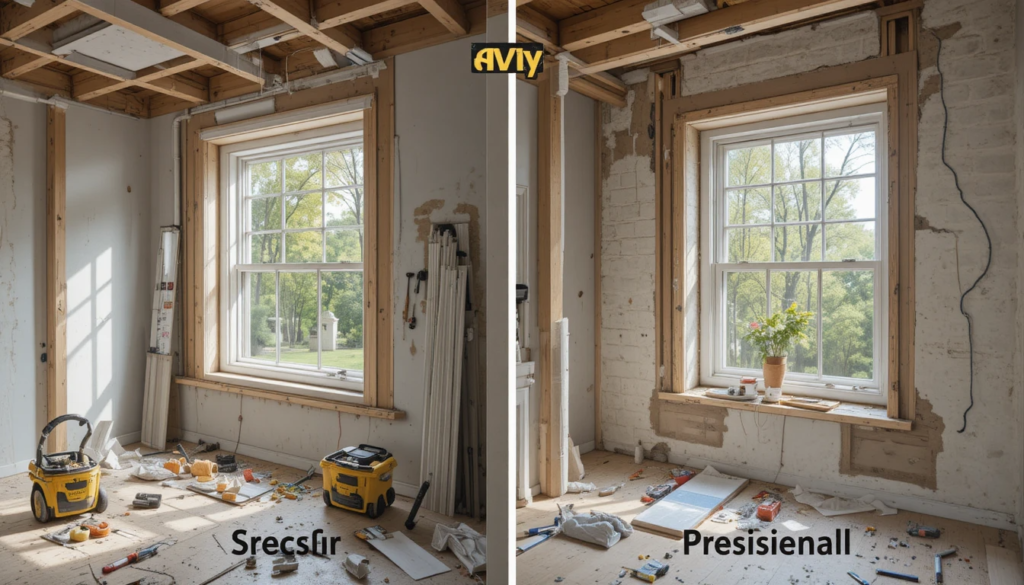
Adjacent basement flooring and walls must be compatible with the egress window basement installation. Moisture-resistant flooring, such as vinyl or treated wood, helps prevent damage near wells. Proper leveling ensures safety and durability. Wall finishing with drywall or paneling enhances aesthetics while protecting insulation. Coordinating flooring and walls improves daily usability and complements natural light.
Cost Efficiency and Long-Term Value
A window basement offers long-term value through increased property safety, usable living space, and legal compliance. Upfront investment may seem high, but reduced repair risks, energy efficiency, and added basement functionality deliver cost efficiency. Professional installation enhances durability and minimizes future maintenance.
Places and Applications
Egress windows are suitable for egress window basement bedrooms, offices, recreational rooms, and storage spaces. They fit single-family homes, duplexes, and even commercial buildings with below-ground levels. Proper placement ensures emergency escape, natural lighting, and ventilation. Window wells adapt to landscape slope, soil type, and drainage requirements,
Ease and DIY Options
- Small-scale window basement installations can be managed by experienced DIYers using pre-fabricated window kits and sealants.
- Tasks include wall cutting, leveling, and well installation.
- Ease depends on basement size, wall type, and drainage complexity.
- Professionals simplify installation, ensure compliance, and reduce risks.
- DIY saves costs but may require additional time and tools to achieve professional-quality results, especially in larger or deeper basements.
Conclusion
An adequately designed egress window basement enhances safety, emergency access, and daily comfort while increasing property value. Using quality materials, accurate measurements, and professional installation ensures durability and long-term performance.
Routine maintenance keeps wells and seals functional, preventing leaks and moisture issues. Whether for living, storage, or recreational use, a well-executed egress window basement combines practicality, safety, and aesthetics, making your basement a secure and valuable part of your home.
FAQs
Professional installation typically takes one to two days, depending on wall thickness, well depth, and drainage setup. DIY installations may take longer, especially for leveling, cutting, and sealing.
Regular cleaning of wells, inspection of seals, and checking drainage prevent leaks, corrosion, and water accumulation. Maintenance ensures safety and structural integrity and extends the lifespan of the window basement.
Egress windows must meet building codes for height, width, and depth. Proper installation combined with ventilation, waterproofing, and smoke alarms ensures emergency access and everyday safety.
Adding an egress basement increases legal living space, natural light, and safety. This enhances usability, aesthetics, and overall property value while reducing long-term repair costs.

