Indoor plants bring life, color, and calm into any space, but few houseplants captivate quite like the prayer plant. Known for its strikingly patterned leaves and unique daily movement, this tropical beauty folds its foliage upward at night as if in prayer. Because of its vibrant appearance and slightly sensitive nature, many plant lovers search for reliable guidance on prayer plant care to ensure long-term success.
This comprehensive handbook covers everything you need to know, from lighting and watering to soil selection, humidity control, propagation, and troubleshooting common issues. Whether you’re a beginner or experienced indoor gardener, this guide will help you grow a lush, thriving plant with confidence.
| Aspect | Key Points |
| Light | Bright, indirect; avoid direct sunlight; rotate plant for even growth |
| Temperature | 65–80°F (18–27°C); avoid drafts and sudden changes |
| Humidity | 50–60%; use a humidifier, pebble tray, or mist lightly |
| Watering | Keep soil moist but not soggy; water when the top inch is dry; ensure drainage. |
| Soil | Well-draining mix: peat/coco coir 40%, perlite 30%, potting soil 20%, optional bark 10% |
| Fertilizer | Balanced liquid feed (10-10-10); every 4 weeks in spring/summer; reduce in fall/winter |
| Repotting | Every 1–2 years; choose slightly larger pot; refresh soil; water after transplant |
| Propagation | Division in spring; ensure roots and leaves in each section; maintain humidity |
| Common Issues | Brown tips (low humidity/hard water), yellow leaves (overwatering/poor drainage), curling leaves (underwatering/temp stress) |
| Pests | Spider mites, mealybugs, fungus gnats; inspect regularly, wipe leaves, use neem oil if needed |
Understanding the Prayer Plant
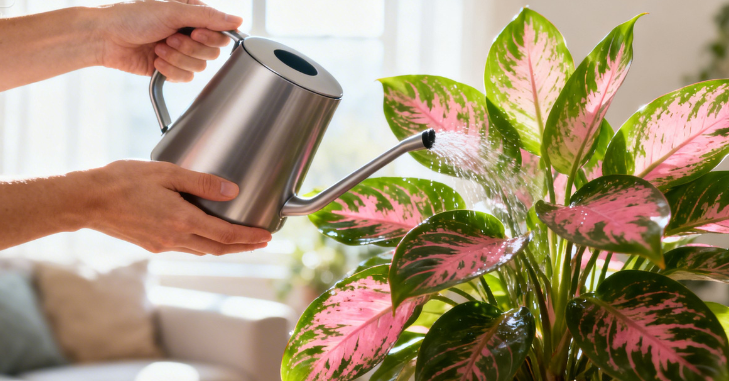
The prayer plant belongs to the Marantaceae family, commonly associated with the genus Maranta. Native to the tropical forests of Central and South America, this plant thrives in warm, humid conditions under filtered sunlight.
Key Characteristics
- Oval-shaped leaves with intricate vein patterns
- Leaves that fold upward in the evening
- Low-growing, spreading habit
- Sensitivity to environmental changes
Understanding its natural habitat is the foundation of successful prayer plant care, as recreating tropical conditions indoors promotes healthy foliage and steady growth.
Ideal Growing Conditions
Creating the right environment is essential for vibrant leaves and consistent development.
1. Light Requirements
Prayer plants prefer bright, indirect light. Direct sunlight can scorch leaves and cause fading, while insufficient light may reduce pattern intensity.
Best lighting practices:
- Place near east- or north-facing windows
- Use sheer curtains to filter strong light
- Avoid prolonged direct sun exposure
- Rotate the plant periodically for even growth
Balanced lighting enhances leaf coloration and prevents stress-related damage.
2. Temperature Needs
Being tropical in origin, this plant prefers warmth.
- Ideal range: 65–80°F (18–27°C)
- Avoid cold drafts
- Keep away from air conditioners and heaters
- Maintain consistent indoor temperatures
Sudden temperature fluctuations can cause leaves to curl or droop.
3. Humidity Levels
Humidity plays a crucial role in healthy foliage. Dry air often leads to brown leaf edges.
Ways to increase humidity:
- Use a humidifier
- Place the plant on a pebble tray
- Group with other houseplants
- Mist lightly (avoid overdoing it)
Maintaining 50–60% humidity supports optimal prayer plant care and prevents common leaf issues.
Prayer Plant Care: Watering Guidelines

Watering is often the most misunderstood aspect of indoor plant maintenance, yet it plays a crucial role in keeping foliage healthy and vibrant. Prayer plants prefer consistently moist soil, but they do not tolerate soggy or waterlogged conditions. The best approach is to water when the top inch of soil feels dry to the touch, using room-temperature filtered water to prevent mineral buildup.
Always ensure the pot has proper drainage holes so excess water can escape freely, and avoid allowing the soil to dry out completely between waterings. Overwatering can lead to root rot and yellowing leaves, while underwatering often results in curling or drooping foliage. Maintaining the right balance is essential for long-term plant health.
Choosing the Right Soil
Soil composition directly affects root health and moisture retention.
| Component | Purpose | Recommended Ratio |
| Peat moss or coco coir | Retains moisture | 40% |
| Perlite | Improves drainage | 30% |
| Potting soil | Provides nutrients | 20% |
| Orchid bark (optional) | Enhances aeration | 10% |
A well-draining yet moisture-retentive mix supports proper prayer plant care and reduces the risk of fungal diseases.
Fertilizing for Healthy Growth
Feeding encourages lush foliage and vibrant coloration.
Fertilizing Tips
- Use balanced liquid fertilizer (10-10-10)
- Feed every 4 weeks during spring and summer
- Reduce feeding in fall and winter
- Avoid over-fertilizing
Too much fertilizer may cause salt buildup and leaf burn.
Repotting and Root Health
Prayer plants benefit from repotting every one to two years to maintain healthy root development and steady growth. Signs that it is time to repot include roots growing out of the drainage holes, soil drying out too quickly after watering, noticeable stunted growth, or compacted soil that no longer drains efficiently.
When repotting, select a container that is 1 to 2 inches larger in diameter than the current pot to allow for root expansion without overwhelming the roots. Refresh the plant with a well-draining soil mix and water thoroughly after transplanting to help the roots settle into their new environment. Proper root care plays a vital role in maintaining long-term plant health and overall vitality.
Propagation Methods

Expanding your collection is simple with division.
Division Steps
- Gently remove the plant from the pot
- Separate root clumps carefully
- Ensure each section has roots and leaves
- Replant in fresh soil
- Maintain humidity while establishing
Propagation works best in spring when growth is active.
Common Problems and Solutions
Even with attentive care, issues may arise.
1. Brown Leaf Tips
Causes:
- Low humidity
- Hard water
- Fertilizer buildup
Solutions:
- Increase humidity
- Use distilled water
- Flush soil occasionally
2. Yellow Leaves
Causes:
- Overwatering
- Poor drainage
- Nutrient imbalance
Solutions:
- Adjust watering schedule
- Improve soil aeration
- Check drainage holes
3. Curling Leaves
Causes:
- Underwatering
- Temperature stress
- Dry air
Solutions:
- Maintain consistent watering
- Keep stable indoor temperatures
- Raise humidity levels
Understanding these warning signs helps refine prayer plant care routines effectively.
Pest Management
Prayer plants may occasionally attract common indoor pests such as spider mites, mealybugs, and fungus gnats, particularly if environmental conditions are unbalanced. To prevent infestations, inspect the leaves regularly for early signs of pests, wipe the foliage gently with a damp cloth to remove dust and potential eggs, and use neem oil as a natural treatment if necessary.
Avoiding overwatering is also essential, as consistently damp soil can attract fungus gnats. Proper care and overall plant health significantly reduce the risk of pest problems, as strong, well-maintained plants are far less susceptible to infestations.
Seasonal Care Adjustments
Plants require slight modifications throughout the year.
Spring and Summer
- Increase watering frequency
- Fertilize monthly
- Monitor rapid growth
Fall and Winter
- Reduce watering
- Stop fertilizing
- Keep away from cold drafts
Adapting seasonal routines ensures long-term success in caring for prayer plants.
Styling and Placement Tips
Beyond maintaining good health, thoughtful aesthetic placement can greatly enhance your enjoyment of the plant. Using decorative ceramic pots can complement its vibrant foliage and elevate the overall look of your space. Positioning it on shelves that receive bright, indirect light helps maintain healthy growth while showcasing its unique leaf patterns.
Pairing it with trailing plants can create a layered, visually appealing display, and placing it against neutral backgrounds allows the intricate designs and rich colors of the leaves to stand out. Strategic placement not only supports growth but also highlights the plant’s natural beauty and decorative appeal.
Benefits of Growing Prayer Plants
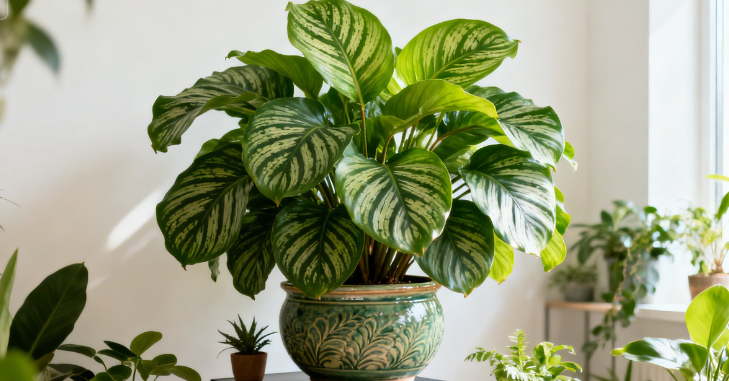
In addition to beauty, prayer plants offer:
- Improved indoor air quality
- Stress reduction
- Natural humidity balance
- Decorative value
Their daily leaf movement also adds dynamic visual interest.
Advanced Care Tips
For experienced growers looking to optimize growth, fine-tuning environmental conditions can make a noticeable difference. Monitoring soil pH within the ideal range of 5.5 to 6.0 helps ensure proper nutrient absorption and overall plant health. Using rainwater whenever possible can reduce mineral buildup that sometimes occurs with tap water.
Promptly trimming damaged or yellowing leaves encourages new growth and keeps the plant looking vibrant. Additionally, maintaining good airflow in the room—without exposing the plant to harsh drafts supports healthy foliage and reduces the risk of fungal issues. These careful adjustments elevate plant maintenance to a more advanced and professional level.
Long-Term Maintenance Strategy
Sustaining plant health involves consistent monitoring.
Monthly Checklist
- Inspect leaves for discoloration
- Check soil moisture
- Rotate pot
- Clean dust from foliage
Consistency prevents small issues from escalating.
Final Thoughts
Mastering prayer plant care requires attention to lighting, humidity, watering balance, and soil composition. Though slightly sensitive compared to some houseplants, the reward is vibrant foliage and a visually dynamic plant that transforms indoor spaces.
By maintaining proper humidity, consistent watering, well-draining soil, and gentle light exposure, you can enjoy lush growth year-round. Regular monitoring and quick adjustments to environmental changes will ensure your plant remains healthy and visually striking. With patience and consistency, this tropical beauty will thrive, bringing color, elegance, and movement into your home for years to come.
If you want to read an interesting article about it, explore our Gardening category.
FAQs
Repot every 1–2 years or when you notice roots growing from drainage holes, soil drying too quickly, or stunted growth. Choose a pot slightly larger than the current one and refresh the soil mix.
They prefer 65–80°F (18–27°C) and humidity around 50–60%. Use a humidifier, pebble tray, or light misting to maintain adequate moisture in the air.
Water when the top inch of soil feels dry. Use room-temperature, filtered water and ensure the pot has drainage holes. Avoid letting the soil dry out completely, but don’t overwater either.
Prayer plants thrive in bright, indirect light. Direct sunlight can scorch the leaves, while too little light may fade their patterns. Rotating the plant occasionally helps ensure even growth.