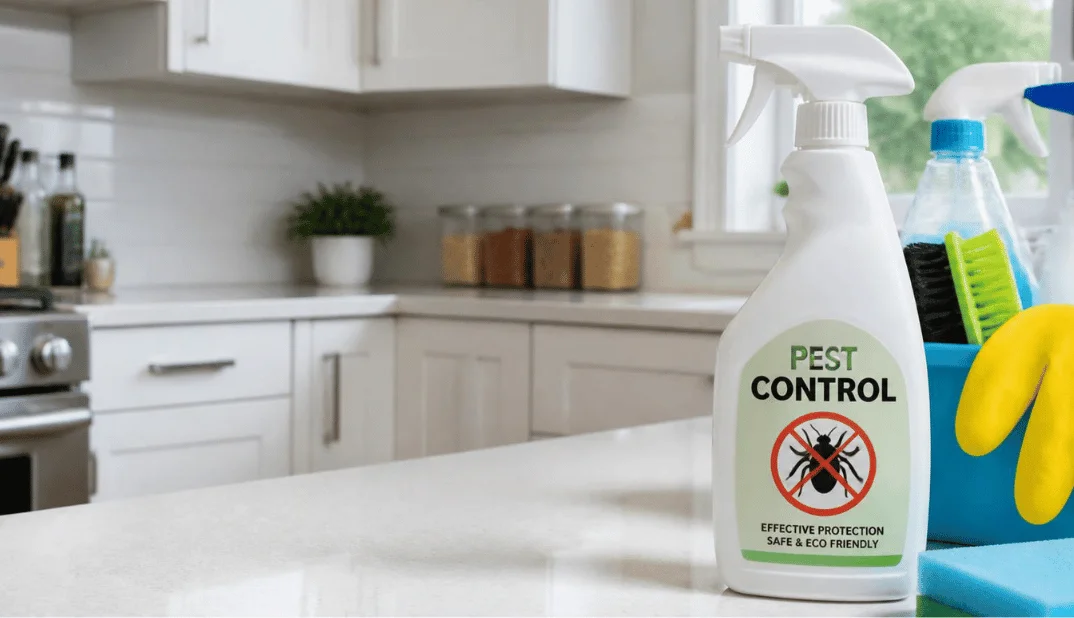
If you’re wondering how to get rid of cockroaches, the most reliable approach combines sanitation, exclusion, monitoring, and targeted baiting. Killing visible roaches alone rarely reaches the insects hiding behind appliances, cabinets, and walls. A steady control plan works better than chasing quick fixes.
| Key action | Why it matters | Best approach |
|---|---|---|
| Identify activity. | Shows where treatment should focus | Sticky traps and nighttime inspections |
| Remove food. | Makes your home less attractive | Clean crumbs, grease, dishes, and pet food. |
| Remove water. | Limits a major survival resource | Repair leaks and dry sinks overnight. |
| Reduce hiding places. | Exposes nesting areas | Remove cardboard, paper, and clutter. |
| Seal gaps. | Blocks movement and reinvasion | Caulk cracks around walls, pipes, and cabinets |
| Use targeted bait. | Reaches hidden populations | Labeled bait stations or gel products |
| Monitor results. | Shows whether control is working | Check and record trap activity. |
| Call a professional. | Helps with stubborn infestations | Use a licensed pest-control company. |
To get rid of roaches, remove food and water, seal entry points, monitor activity with sticky traps, and place labeled baits near hiding areas. Avoid relying on bug bombs or broad room sprays. Keep monitoring for several weeks, and contact a licensed pest professional if activity stays high or spreads.
Why Roaches Keep Coming Back
Roaches survive when they can reach food, moisture, shelter, and protected travel routes. Crumbs under appliances or a dripping pipe can support activity even in an otherwise tidy home. Removing those resources makes every other control method more effective.
Species also matter because their habits differ across U.S. homes. German roaches often establish themselves around kitchens and bathrooms, while larger species may enter from basements, drains, or outdoors. Identifying where activity occurs helps you choose the right treatment area.
What You’ll Need Before You Start
You don’t need to cover your home with insecticide to begin controlling a problem. Start with simple monitoring, cleaning, repair, and exclusion tools before adding targeted pesticide products. Any pesticide you use should be labeled for your intended indoor location.
| Item | Purpose | Important note |
|---|---|---|
| Flashlight | Inspect dark gaps and cabinets | Check after dark when activity is easier to spot. |
| Sticky traps | Locate and monitor activity. | Place against walls and near appliances. |
| Vacuum | Remove insects, debris, and egg cases. | Empty it promptly after use. |
| Food containers | Remove accessible food. | Choose containers with tight lids. |
| Caulk | Close cracks and small openings. | Focus around pipes, walls, and cabinets. |
| Cleaning supplies | Remove grease and crumbs. | Clean the appliances below too. |
| Roach bait | Target hidden insects. | Follow the product label exactly. |
How to Get Rid of Cockroaches in 8 Steps
- Find the areas with the most activity. Place sticky traps against walls, beneath sinks, and near refrigerators or stoves. Check them regularly and note which locations catch the most roaches.
- Remove every easy food source. Wipe counters, vacuum crumbs, clean grease, and avoid leaving dirty dishes overnight. Keeping the waste area clean also matters, and Homoya’s garbage disposal cleaning guide can help with kitchen maintenance.
- Cut off accessible water. Repair dripping faucets, damp plumbing, and leaks below sinks whenever possible.
- Remove cardboard and crowded hiding places. Flatten and discard unnecessary shipping boxes, paper bags, and stacked papers. Keep cabinets and storage areas open enough to inspect and clean easily.
- Seal cracks and travel routes. Caulk openings near baseboards, cabinets, plumbing penetrations, and wall joints after cleaning them.
- Place labeled bait near hiding areas. Position bait stations or gel products where trap counts and sightings show regular activity. Keep products away from children and pets, and follow every label direction.
- Avoid disrupting bait with unnecessary sprays. Broad spraying can interfere with a targeted baiting plan and may not reach protected harborages. EPA guidance recommends treating specific areas instead of spraying an entire room.
- Keep monitoring until activity stops. Replace full or dirty traps and compare catches from week to week. Continued sightings after careful treatment may mean hidden nesting sites require professional attention.
Why Baits Usually Beat Bug Bombs
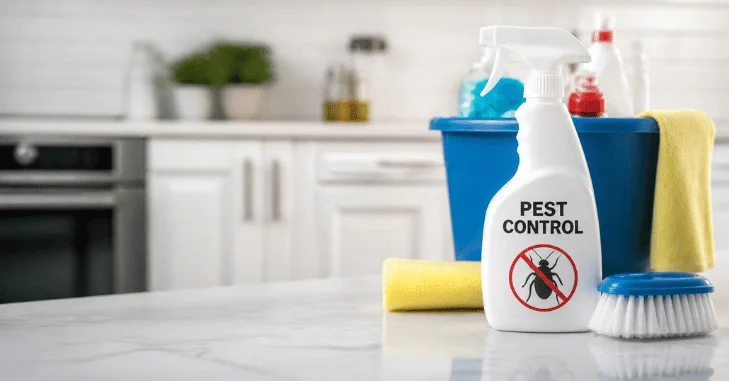
Baits work differently from products designed to kill an exposed insect immediately. They are placed near travel routes, so foraging roaches encounter treatment close to their hiding areas. University IPM guidance identifies baits as a primary tool when sanitation and exclusion are also used.
Total-release foggers require extra caution and shouldn’t be treated as an easy whole-home solution. The EPA warns that these products can create fire, explosion, and exposure hazards when used incorrectly. UC IPM’s cockroach management guidance also recommends avoiding foggers and relying on more targeted control methods.
How Long Does Roach Control Take?
Don’t assume treatment has failed because insects remain visible after several days. Many bait products act slowly, and UC IPM notes that reductions may take seven days or longer. Continued monitoring gives you better information than a single sighting.
Larger infestations can take longer because hidden insects and egg cases remain protected. Keep sanitation, sealing, baiting, and monitoring in place while activity declines. Consider professional service when trap counts remain high despite consistent control measures.
Don’t Forget Faucets, Sinks, and Plumbing
Kitchens and bathrooms deserve extra attention because moisture can remain available throughout the night. Dry sinks, wipe standing water, and inspect cabinets for slow plumbing leaks. Homoya’s kitchen faucet installation and maintenance guide can help when a worn fixture contributes to dripping.
Moisture control works best when paired with good food storage and cleaning. Keep pet food sealed when it isn’t being used, and wipe spills before bedtime. Those habits make targeted bait more competitive with other food sources.
What About Apartments and Multi-Unit Buildings?
Roaches can move between apartments through plumbing routes, utility openings, and shared structural spaces. Treating one unit may not solve activity elsewhere in the building. Tell the property manager when sightings continue, especially when neighboring units report similar problems.
Coordinated treatment can address entry routes that individual residents cannot access. Keep your own unit clean and sealed while the building addresses common areas. Documenting trap locations and dates can also help show where activity remains concentrated.
When to Call a Pest-Control Professional
Professional help makes sense when you see frequent daytime activity, find large numbers in traps, or keep seeing nymphs after treatment. A licensed technician can inspect hidden voids and use products or application methods unavailable to homeowners. Ask how the company combines sanitation, exclusion, monitoring, and targeted pesticide use.
Hiring a professional can also reduce guesswork in homes with children, pets, or asthma concerns. The EPA notes that roach body parts and droppings can trigger asthma symptoms in sensitive people. It recommends reducing pest exposure while limiting unnecessary pesticide risks.
How to Keep Roaches From Returning
Prevention becomes easier once trap counts reach zero or remain consistently low. Continue cleaning under appliances, checking plumbing, sealing new gaps, and storing food in closed containers. Inspect grocery boxes, deliveries, and secondhand items before bringing them deep into the house.
Keep several monitoring traps in likely problem areas after the infestation appears gone. They can reveal new activity before you begin seeing insects across the room. Early detection usually gives you a smaller problem to manage. Homoya’s Pest Control guide.
Frequently Asked Questions
What kills cockroaches quickly?
Contact treatments may kill an exposed insect, but that doesn’t eliminate a hidden population. Long-term control requires removing food and moisture while targeting the places where roaches hide. Baits and monitoring are usually more useful for population control than chasing individual insects.
Does a clean house still get roaches?
Yes, because insects can enter through gaps, packages, plumbing routes, or neighboring units. Cleanliness reduces the resources they need but doesn’t make a building impossible to enter. Sealing access points is therefore as important as routine cleaning.
Are roach baits safe around children and pets?
Safety depends on the product, its placement, and correct label use. Tamper-resistant stations can limit direct access compared with exposed pesticide applications. Always keep pesticides outside a child’s or pet’s reach and follow the EPA-approved label.
Should I use boric acid?
Some labeled boric acid products can be part of a broader control program. They should only be applied where the product label allows and where people or pets cannot contact the material. Avoid homemade pesticide mixtures because they can create unnecessary exposure or ineffective dosing.
How do I know when the infestation is gone?
Sticky-trap results provide a better measure than casual visual checks. Keep traps in the same locations and compare catches over several weeks. Continued zero or near-zero activity suggests your control measures are working.
Keep the Home Clean, Dry, Sealed, and Monitored
Successful roach control depends on changing the conditions that allowed the infestation to develop. Remove food and water, close entry routes, use targeted treatment, and measure progress with traps. If activity remains heavy, contact a licensed professional rather than repeatedly applying more pesticide.