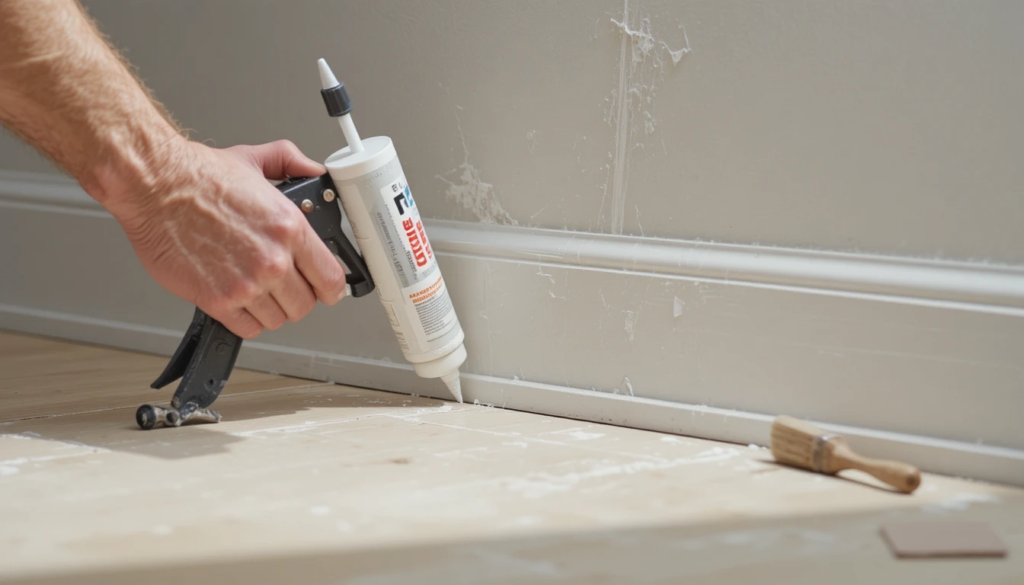
Foundation cracks are a common issue affecting homes worldwide, often caused by soil movement, water pressure, and uneven settling. Expansive clay soils can expand or shrink with changes in moisture, putting stress on concrete foundations. Minor hairline cracks cost around $300–$500 to repair, while larger structural cracks may cost more than $5,000.
Proper materials, such as cement, sand, aggregate, and reinforced rebar, reduce the risk of foundation cracks. Professional repair using epoxy, carbon fiber straps, or wall anchors ensures strength, durability, and water resistance. Monitoring crack size, location, and growth is vital. Over decades, well-maintained foundations contribute to long-term property value, energy efficiency, and the legacy of safe, structurally sound homes.
| Basics | Details |
| Causes | Soil movement and water pressure |
| Stress | Uneven settling and heavy structures |
| Cracks | Vertical, horizontal, stair-step forms |
| Water | Infiltration reduces structural stability. |
| Materials | Cement, sand, aggregate, rebar mix |
| Quality | Proper curing prevents foundation cracks. |
| Repair | Costs vary by size and severity. |
| Methods | Epoxy, carbon fiber, wall anchors |
| Benefits | Strength, durability, water resistance |
| Handling | Minor cracks are easy with sealants. |
| Process | Clean, fill, smooth, and cure surfaces |
| Environment | Clay soils and drainage issues |
| Size | Hairline to large structural cracks |
| Monitoring | Track growth for timely intervention |
| Hiring | Professional repair ensures long-term safety. |
| Use | Maintains durability, prevents mold damage. |
Causes
Foundation cracks often occur due to soil movement, water pressure, and uneven settling. Expansive clay soils expand and shrink with moisture changes, putting stress on concrete foundations. Poor construction, such as an inadequate concrete mix or weak reinforcement, can worsen the problem. Heavy structures, tree roots, and nearby construction vibrations also contribute.
Understanding Foundation Cracks
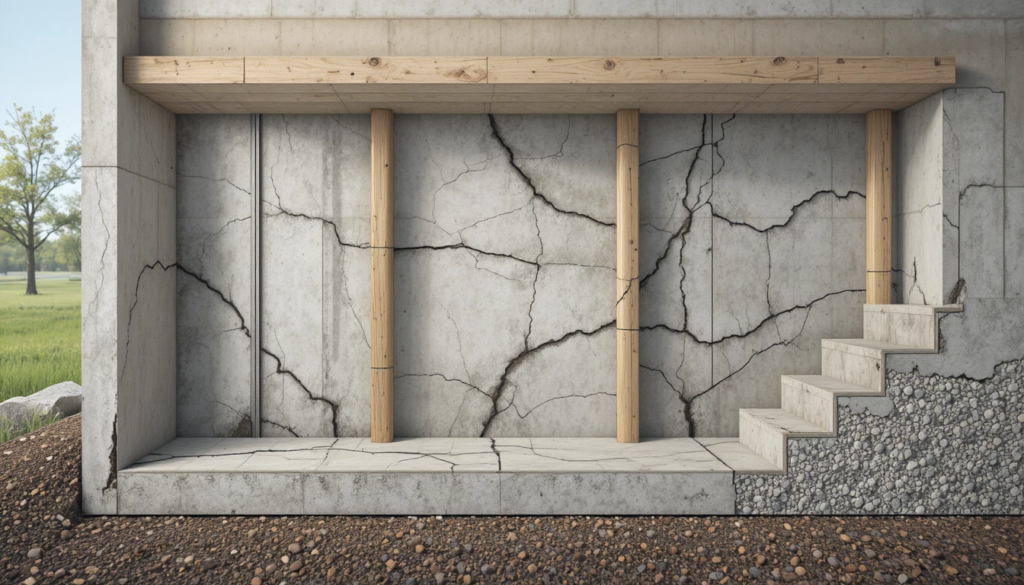
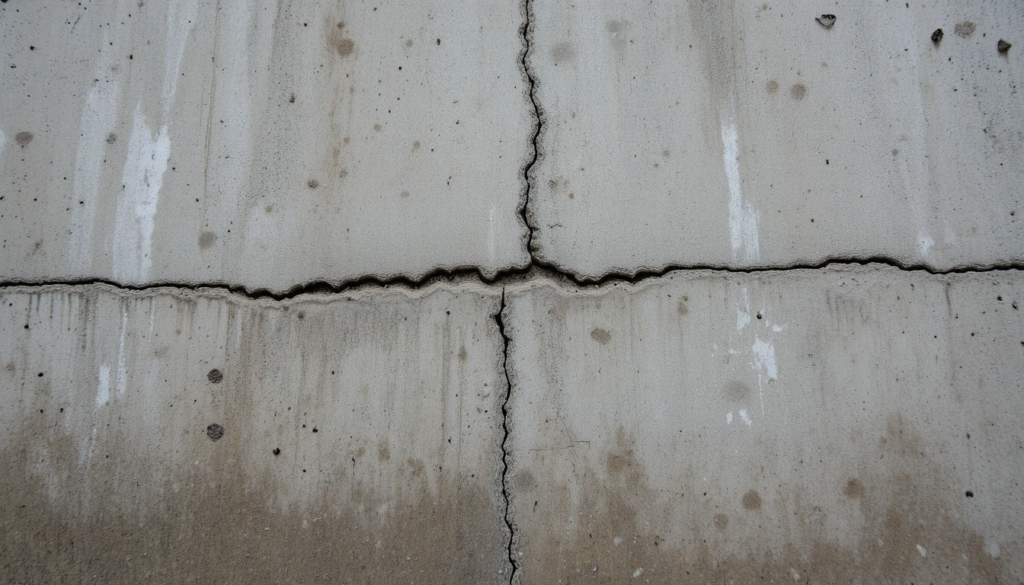
Foundation cracks are gaps or splits in walls, floors, or slabs that result from stress or movement. They can appear as vertical, horizontal, or stair-step patterns. Even minor cracks can allow water infiltration and reduce structural stability. Identifying the type, size, and location of cracks is essential for proper repair. Professionals often classify cracks based on width, depth, and risk to determine the best solution.
Materials and Manufacturing
Concrete foundations are manufactured using cement, sand, aggregate, and water in specific ratios. Reinforcement bars (rebar) or mesh are added for strength and flexibility. Proper mixing, curing, and pouring techniques ensure durability. Poor material selection or improper curing can increase the likelihood of foundation cracks. Using high-quality materials during manufacturing reduces shrinkage.
Cost of Repair
Repairing cracks varies depending on size, location, and severity. Minor hairline cracks may cost $300–$500 to fill professionally, while larger structural cracks can cost $5,000 or more. Hiring certified foundation repair experts ensures accurate assessment and long-term stability. Costs include labor, materials such as epoxy or polyurethane, and optional underpinning for severe damage.
Features and Benefits of Proper Repair
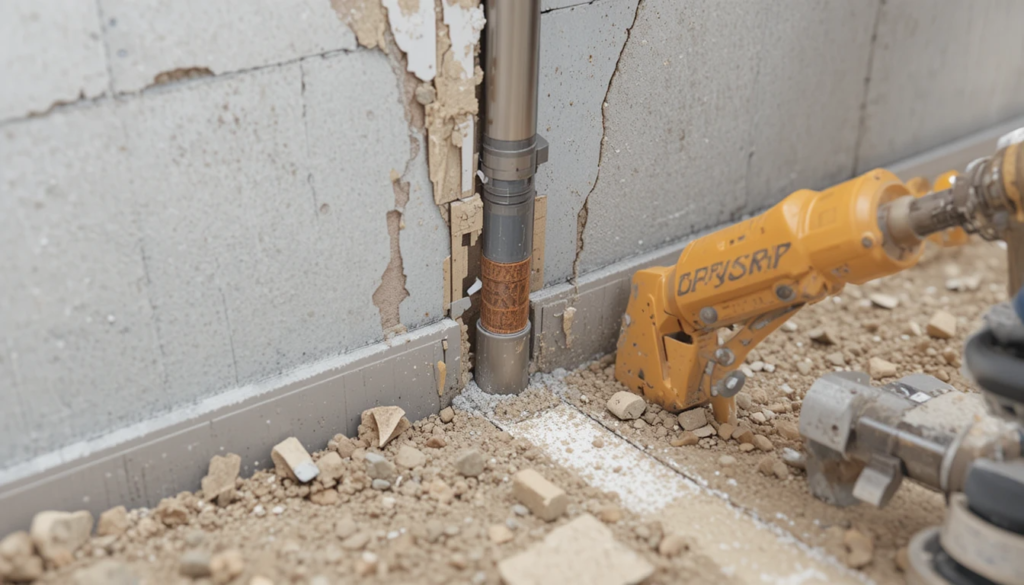
Professional crack repair ensures strength, durability, and water resistance. Methods include epoxy injection, carbon fiber straps, wall anchors, and concrete patching. Properly repaired foundations prevent further movement, reduce energy loss, and protect interiors from moisture damage. Repaired cracks improve property value, extend the life of floors and walls.
Ease of Handling
While minor cracks can sometimes be repaired with simple sealants by DIY enthusiasts, larger cracks require professional tools and expertise. Using a caulk-style epoxy or polyurethane is relatively easy for small cracks. However, structural cracks need careful assessment, precise measurement, and specialized equipment. Homeowners should evaluate the type and depth of the crack.
Step-by-Step Repair Process
Repairing foundation cracks usually starts with cleaning and removing debris from the crack. The crack is measured, and sealant or epoxy is injected for minor cracks. Larger cracks may require wall anchors, carbon fiber straps, or partial underpinning. After filling, surfaces are smoothed, allowed to cure, and sometimes painted or coated for protection. Inspection ensures the repair is complete and durable for years.
Place and Environment Consideration
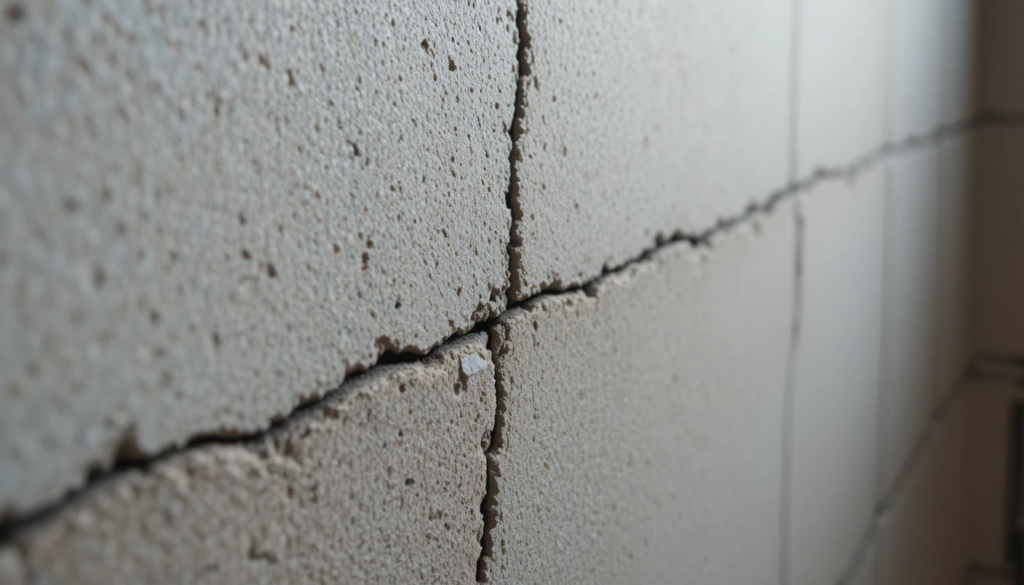
Cracks can occur anywhere, but certain areas are more prone to them. Homes built on clay or loose soil are at higher risk. Basements, crawl spaces, and areas near heavy landscaping or water sources are often prone to cracking. Climate conditions, rainfall, and drainage patterns affect crack formation. Proper site preparation during construction, including grading, soil compaction, and drainage installation.
Length and Size of Cracks
- Cracks can range from tiny hairlines to several inches long.
- Small vertical cracks under 1/8 inch are often indicative of normal settling.
- Horizontal cracks over 1/4 inch or stair-step patterns suggest significant structural stress.
- The length and width help professionals determine the urgency and the repair method.
- Monitoring crack growth over time is critical, as expanding cracks may require immediate intervention to prevent further damage.
Cost of Making and Hiring
Constructing a concrete foundation costs $4,000–$15,000 for an average house, depending on size, soil type, and materials. Hiring experts to prevent or repair foundation cracks adds to expenses but ensures safety. Labor and material costs for repair depend on crack size, method, and accessibility. Investing in professional construction and timely maintenance reduces long-term costs and prevents recurring cracks.
Uses and Long-Term Importance
- Properly maintained foundations with repaired cracks ensure a safe living environment.
- They support walls, floors, and roofs while preventing water infiltration, energy loss, and structural instability.
- Repairing cracks improves home durability, resale value, and safety during natural events like floods or soil movement.
- Maintaining foundations also prevents secondary issues, such as mold growth, warped floors, or window misalignment.
Conclusion
Properly addressing foundation cracks is vital to a strong, safe home. Early detection, high-quality materials, and professional repair methods prevent structural damage and water seepage. Monitoring crack size and growth reduces repair costs while protecting property value.
Whether small hairline cracks or larger structural issues, timely repair ensures energy efficiency, prevents mold, and strengthens floors and walls. Maintaining foundations and fixing foundation cracks creates durable, safe, and long-lasting homes for years to come.
Want to know about How to Caulk Baseboards? An Ultra-Professional, Step-by-Step Method for Achieving Seamless Edges, and a Flawless Interior Finish Check out our Home Appliances category.
FAQs
Homes built on piers and beams show these problems differently, usually as sloping floors and sticking doors rather than wall cracks. See our guide to pier and beam foundation repair for how those are diagnosed and priced.
Signs include sticking doors or windows, gaps in walls or floors, and water seepage. Regular inspections, especially in basements or crawl spaces, help catch problems before they worsen.
Minor hairline cracks are usually harmless and caused by normal settling. Horizontal or stair-step patterns often indicate structural stress and should be evaluated by a professional.
Common materials include epoxy, polyurethane, carbon fiber straps, and wall anchors. Using proper concrete, sealants, and curing techniques ensures repairs are strong and long-lasting.
Small cracks may cost $300–$500, while significant structural repairs can cost $5,000 or more. The total cost depends on the crack size, the materials, and whether professional services are required.
Small cracks may be repaired using sealants or epoxy. However, larger or structural cracks need professional tools and expertise to ensure safety and lasting results.