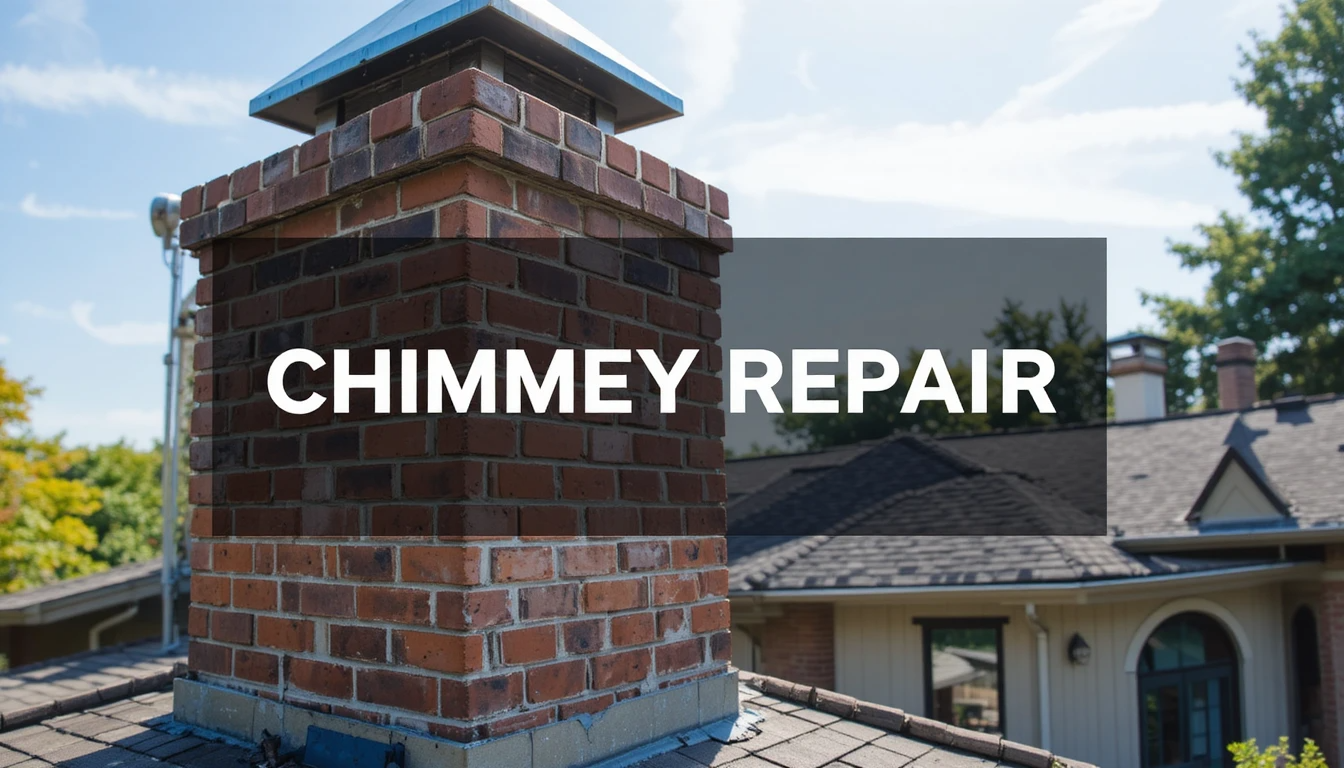
Chimney repair is an essential part of maintaining safe, functional fireplaces in homes, especially in older houses where brick and mortar deteriorate over time. Cracks, damaged flues, and leaking caps can reduce efficiency and pose fire hazards. Effective repair involves precise inspection, measuring the flue diameter and wall thickness, and using high-quality materials such as heat-resistant bricks and refractory mortar. You might also like Lighting Bolt Safety.
Repairs often include waterproof coatings, flue liners, and protective caps to prevent long-term damage. The cost ranges from $300 for minor fixes to $5,000 for major structural work, depending on materials and labor. Proper chimney repair improves airflow, enhances daily fireplace use, supports safety, and contributes lasting value to homes, ensuring durability and comfort for decades.
| Basics | Details |
| Chimney Damage | Cracked bricks, flue issues |
| Chimney Repair | Ensures safety and durability |
| Inspection | Measure the flue, bricks, and height. |
| Tools | Trowels, brushes, mixers, gear |
| Materials | Heat-resistant bricks and mortar |
| Common Repairs | Repoint bricks, replace liners. |
| Features | Waterproof coatings, smoke-proof seals |
| Cost | $300–$5,000 depending on damage |
| DIY Repair | Minor fixes done at home |
| Professional Repair | Skilled contractors ensure precision. |
| Maintenance | Sweep soot, inspect, and apply waterproofing. |
| Safety | Helmets, scaffolding, and ventilation are required. |
| Functionality | Improves airflow, energy efficiency |
| Placement | Proper height, flue alignment |
| Manufacturing | Prefabricated liners, reinforced bricks |
| Finishing | Sealants, paint, protective caps |
Types of Chimney Damage
Chimneys face various problems, including cracked bricks, deteriorated mortar, damaged flues, and leaking caps. Exposure to rain, snow, and temperature changes accelerates wear. Creosote buildup from frequent fireplace use increases fire risk. Chimneys in older homes often require more attention, while modern construction may feature prefabricated flue liners that require occasional inspection for cracks, rust, or detachment.
Importance of Chimney Repair

Chimney repair is essential for safety, durability, and functionality. Proper repair prevents smoke leaks, carbon monoxide hazards, and structural collapse. It enhances airflow, protects walls and roofs, and supports daily fireplace use. Timely repairs improve energy efficiency, reduce fire risk, and ensure the home’s long-term value, particularly for heating-intensive households during winter or frequent fireplace use.
Inspection and Measurement
Inspecting the chimney involves checking bricks, mortar joints, flue liners, and caps. Measure wall thickness, flue diameter, and height to identify needed repairs. Look for signs of water damage, rust, or structural shifting. Precise measurements aid cost estimation and planning for materials such as bricks, mortar, liners, or sealants. Accurate inspections reduce rework and improve repair outcomes.
Tools and Materials
Chimney repair requires specialized tools, including trowels, masonry brushes, mortar mixers, and protective gear. Materials include heat-resistant bricks, refractory mortar, flue liners, caps, waterproofing coatings, and sealants. High-quality materials reduce the need for frequent repairs and enhance durability. Using proper equipment ensures structural stability, easy installation, and reduces the risk of injury during repair processes or daily maintenance tasks.
Common Repairs and Features

- Typical repairs include repointing bricks, replacing flue liners, sealing leaks, fixing caps, and removing creosote.
- Features such as waterproof coatings, insulated liners, and smoke-proof seals improve efficiency.
- Repairs also allow for adding shelves, storage, or vent adjustments in multi-purpose fireplaces.
- Correct repair extends lifespan, improves airflow, and ensures smooth, daily use in living areas.
Cost
The cost of chimney repair varies depending on the severity of the damage, the chosen materials, and labor. Simple brick repointing can range $300–$600, while major flue or structural repairs may reach $2,000–$5,000. Hiring professional masons or chimney specialists increases expenses but guarantees safety. DIY reduces labor costs but requires tools like scaffolding, mortar, and sealants. Budgeting includes inspection, materials, and finishing.
DIY vs Professional Repair
Minor fixes, such as sealant application or mortar touch-ups, can be handled by homeowners. Complex work involving flue, brick, or structural replacement requires skilled contractors. Professionals provide faster, more precise work, ensure code compliance, and use advanced materials such as stainless-steel liners. Choosing the correct approach balances cost and safety.
Maintenance and Longevity

- Maintaining a repaired chimney extends its life.
- Regularly sweep soot and creosote, inspect liners, check caps, and apply waterproofing.
- Avoid burning wet wood to reduce buildup.
- Proper maintenance ensures safety, enhances airflow, and prevents leaks.
- Well-maintained chimneys support daily heating, fireplace aesthetics, and home air quality while reducing long-term repair costs and preserving property value.
Safety Precautions During Repair
Chimney repair requires precautions due to height, fire hazards, and structural risks. Use scaffolding, gloves, helmets, and eye protection. Turn off nearby electricity and ensure proper ventilation. Avoid working in wet or icy conditions. Following safety guidelines ensures both workers and residents remain safe while repairs are completed. Safety enhances usability for daily heating and fireplace enjoyment.
Enhancing Chimney Functionality
Proper repair improves airflow, prevents smoke leaks, and supports safe daily fireplace use. Installing insulated liners, caps, or adjustable dampers enhances energy efficiency. Repairs can also allow space for accessory installations, such as storage racks, small shelves, or tools near hearths. Optimizing placement and materials improves daily convenience, reduces cleaning effort, and maintains structural and aesthetic integrity.
Placement and Design Considerations

Chimneys must be strategically located to maximize airflow and support home heating. Placement considers flue path, distance to fireplace, roof slope, and surrounding ventilation. Proper repair ensures alignment, height for draft efficiency, and protection from water intrusion. Strategic placement also allows adding shelf lines, hooks, or integrated storage near the hearth for practical daily use and decoration.
Manufacturing and Making
- Modern chimney repair often involves prefabricated liners, reinforced bricks, and heat-resistant mortar.
- New construction or retrofitting uses metal or clay flue liners to prevent leaks and improve draft.
- Repairs also include waterproof coatings and insulated caps to prevent ice or water damage.
- Quality manufacturing and material selection reduce the need for repairs and enhance performance for decades of daily fireplace use.
Finishing and Cost Efficiency
After structural repairs, chimneys are finished with waterproof sealants, paint, or protective caps. These finishes prevent water damage and enhance durability. Factoring labor, materials, and finishing ensures cost-efficient repairs that last. Prioritizing proper finishing reduces recurring repair costs, improves long-term functionality, and maintains aesthetic appeal, blending safety, utility, and style in modern and traditional homes.’

Conclusion
Chimney repair ensures safety, efficiency, and long-lasting home value. Proper inspection, high-quality materials, and skilled labor prevent damage, improve airflow, and enhance daily fireplace use. Regular maintenance, waterproofing, and timely repairs extend the chimney’s lifespan while reducing costs and hazards. Whether minor fixes or major reconstruction, investing in chimney repair safeguards homes, supports energy efficiency, and maintains comfort, functionality, and aesthetic appeal for decades of reliable use.
Want to know about Everything Homeowners Need to Know About Slab Leak Repair: Signs, Professional Detection, Cost Breakdown, Insurance Options, and Long-Term Prevention Tips Check out our Exterior category.
FAQs
Minor fixes like sealing small cracks or replacing caps can be DIY, but major structural repairs, flue replacements, or lining require professional skills for safety and long-term reliability.
Repair costs vary widely, ranging from $300 for simple brick work to $5,000 for extensive structural or flue repairs, depending on materials, labor, and damage severity.
Chimneys should be inspected at least once a year, especially before winter, to detect leaks, damaged flues, creosote buildup, and prevent fire hazards or airflow issues.
Regular sweeping, inspecting liners and caps, applying waterproof coatings, and avoiding wet wood help maintain airflow, prevent moisture damage, and extend the chimney’s durability and safe usage.
Use scaffolding, gloves, helmets, and eye protection, ensure proper ventilation, and avoid wet or icy conditions to prevent accidents while performing repairs on elevated or hot surfaces.