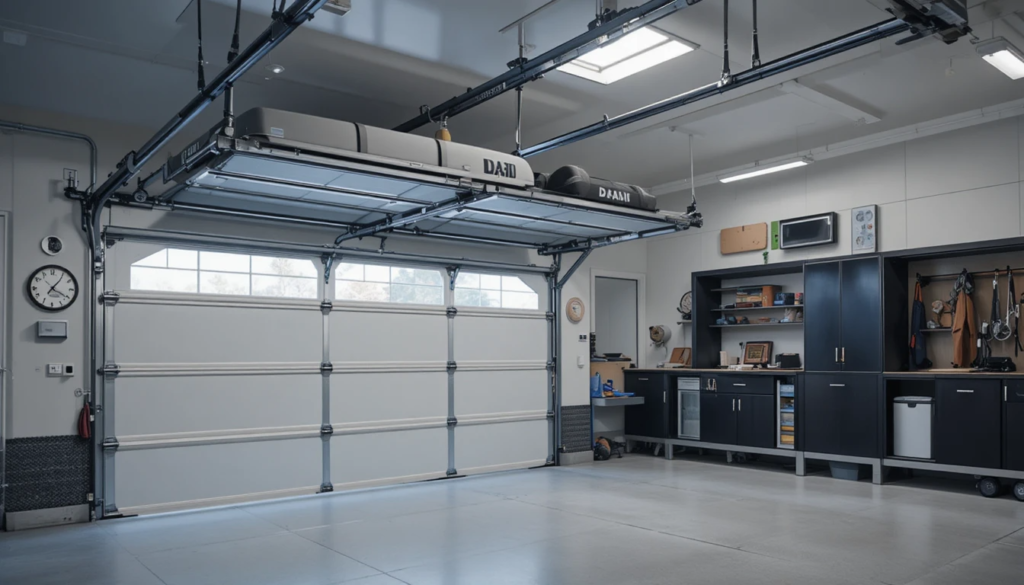
Garage lighting plays a vital role in making garages safe, functional, and energy-efficient. Modern systems are commonly made from aluminum, steel, or high-quality plastic, offering durability and heat resistance, with LED panels, fluorescent tubes, and halogen fixtures designed for long-lasting use. The cost of lighting ranges from $30–$70 for basic LEDs to $400 for smart, motion-sensing units, with professional installation adding $100–$300.
Features like dimming, adjustable placement, and emergency backup enhance usability for parking, DIY projects, and organized storage. With lifespans up to 50,000 hours, garage lighting integrates seamlessly with shelves and workspaces, providing efficiency, convenience, and safety. Proper planning ensures homeowners maximize daily functionality while balancing installation and maintenance costs.
| Basics | Details |
| Types | Aluminum, steel, or plastic casings |
| LED Options | Panels, tubes, halogen, dust-resistant |
| Cost | LED $30–$70, smart $400 |
| Installation | Labor $100–$300, professional preferred |
| Features | Dimming, motion sensors, and emergency backup |
| Placement | Garage lighting: ceiling, wall, shelves |
| Material | Corrosion-resistant metals, polymers, and glass |
| Longevity | LEDs 50,000 hours, fluorescent 15,000 |
| Storage | Overhead, under-cabinet, no shadow |
| Efficiency | Low energy, timers, solar options |
| Smart | Voice, app control, automated schedules |
| Daily Use | Parking, maintenance, and DIY projects are easy. |
| Maintenance | Cleaning, bulb replacement, wiring checks |
| Coverage | Adjustable length, shelves, and corners are illuminated. |
| Durability | Resistant to impact, heat, and humidity |
| Roles | Safety, visibility, workspace, storage efficiency |
Types and Manufacturing of Garage Lights
Garage lighting systems are commonly manufactured from aluminum, steel, or high-grade plastic for durability and heat resistance. LED panels, fluorescent tubes, and halogen fixtures are popular, with casings designed for moisture and dust protection. Wiring, bulbs, and lenses are precision-engineered. The assembly includes reinforced brackets and connectors to ensure stability.
Cost of Garage Lighting
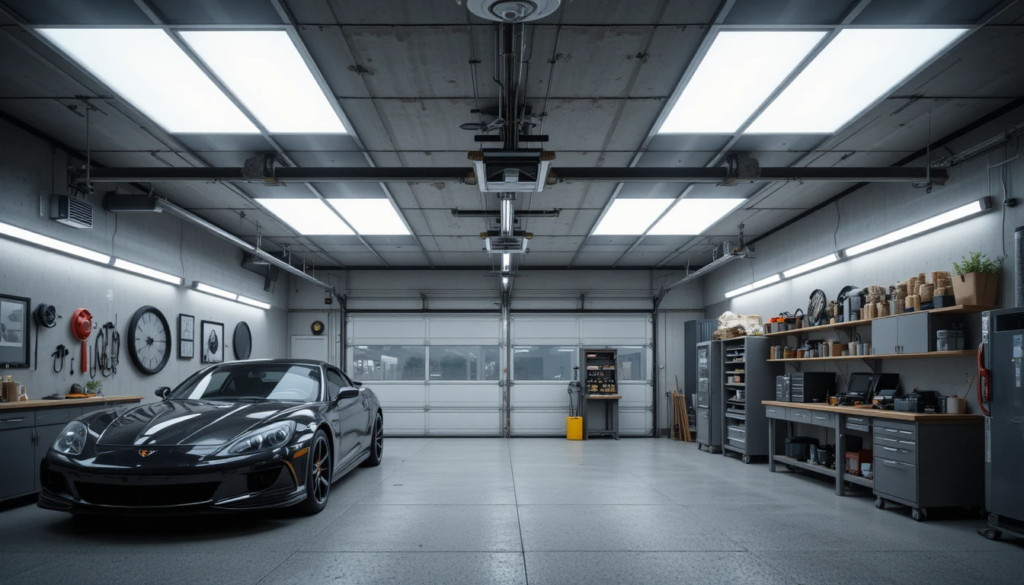
The cost of lighting depends on type, size, and features. Basic LED tubes range from $30–$70, while high-output panels or bright lighting can cost $100–$400 per unit. Installation labor adds $100–$300 for professional electricians. Specialized motion sensors or app-enabled systems increase costs. Considering efficiency, lifespan, and maintenance helps homeowners plan total expenditure effectively for garage upgrades.
Features and Functional Roles
Garage lights include features such as dimming, motion sensing, color temperature adjustment, and an integrated emergency backup. Adjustable arms and modular designs allow focused illumination for workbenches, parking spaces, or storage areas. Some units have wireless control for convenience. Reinforced housings protect components from dust, humidity, or vibration. Each feature contributes to safety and productivity.
Placement and Ease of Use
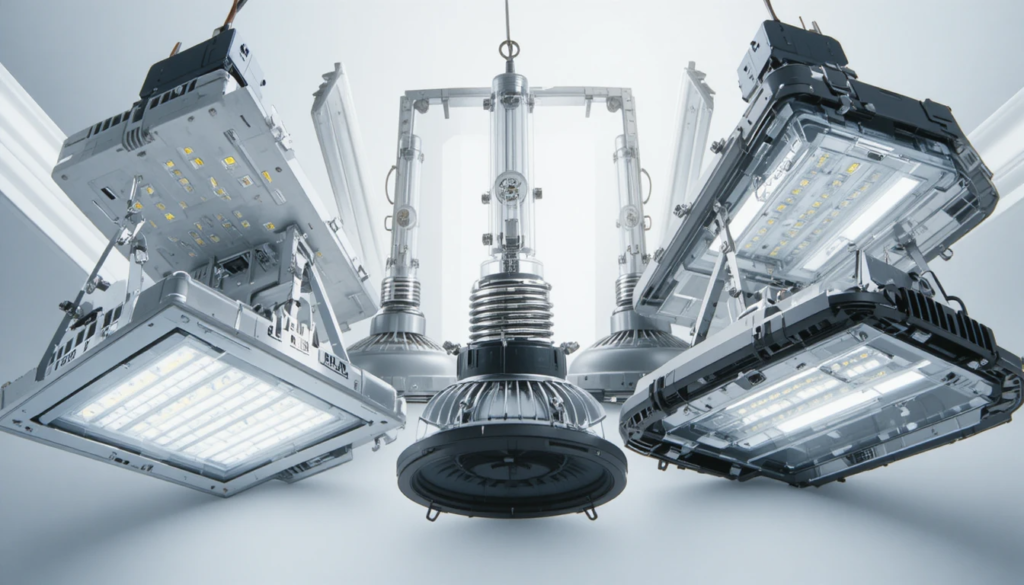
Effective garage lighting placement ensures even illumination without shadows. Ceiling-mounted panels cover vehicle spaces, while wall or under-shelf fixtures illuminate storage areas. Adjustable lengths allow flexibility for high or low ceilings. Motion sensors and timers make operation effortless. Proper alignment enhances visibility for daily tasks, such as parking, tool use, and workshop activities.
Material Quality and Longevity
lighting is made from corrosion-resistant metals, rigid polymers, and tempered glass to withstand heavy use. LEDs offer 50,000-hour lifespans, while fluorescent bulbs require replacement every 7,000–15,000 hours. Reinforced wiring, brackets, and shatterproof casings protect components. High-quality manufacturing reduces flicker, heat, and noise.
Storage Integration
Lighting must integrate with storage and shelf lines. Overhead or under-cabinet lights prevent shadows on shelves and cabinets, enabling easy access to tools or seasonal items. Adjustable fixture lengths avoid interference with overhead racks or ceiling-mounted bicycles. Proper placement maximizes vertical space while maintaining visibility for daily routines.
Energy Consumption and Efficiency
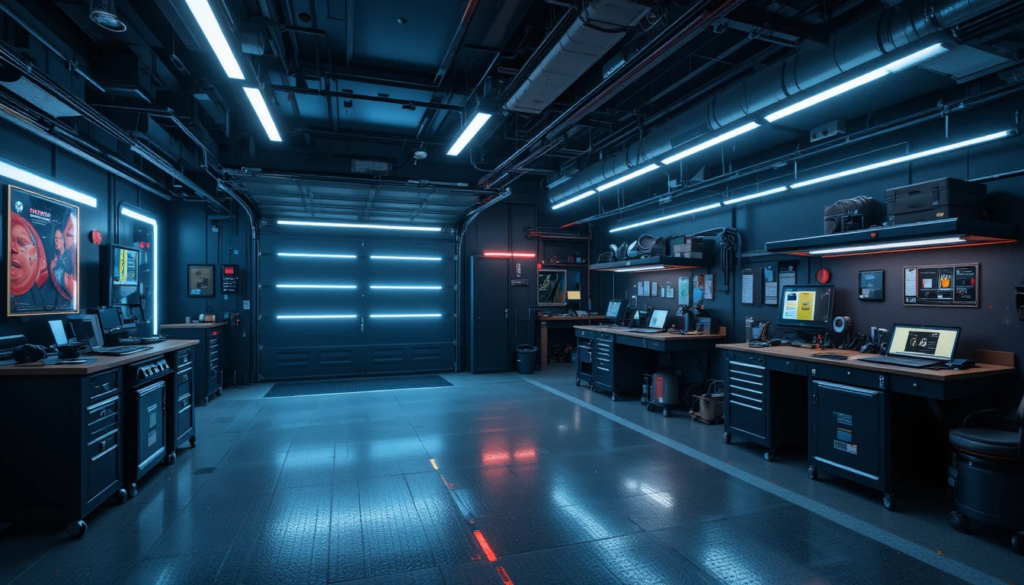
Energy-efficient garage lighting reduces electricity costs and environmental impact. LED lights consume up to 80% less power than traditional halogen bulbs. Solar-powered or battery-backup units provide off-grid operation. Intelligent dimming and timers optimize usage. While the initial investment may be higher, savings from low energy consumption and a long lifespan outweigh the costs.
Installation and Hiring Costs
Professional lighting installation ensures safe wiring, proper fixture alignment, and compliance with electrical codes. Labor costs range from $100 to $300, depending on system complexity. DIY installation can save money but requires technical knowledge and tools. Incorrect mounting or electrical setup risks damage and inefficiency. Hiring skilled technicians.
Smart Features and Automation
Modern garage lighting offers innovative features like motion detection, automated schedules, smartphone apps, and voice control. Lights can adjust brightness based on time or activity, improving convenience. Integration with security cameras, alarms, or home automation systems enhances safety. These systems allow multiple zones and custom settings.
Daily Life Use and Convenience
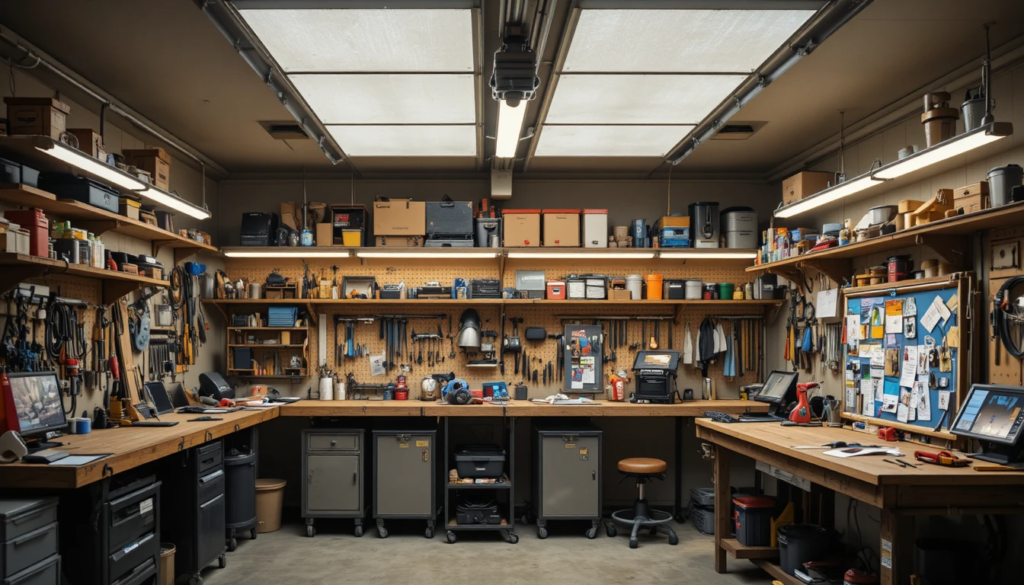
Daily use of lighting extends beyond visibility. It supports parking, car maintenance, DIY projects, and organizing storage. Motion sensors prevent accidental bumps and reduce electricity waste. Task lighting supports precise work, while general illumination enhances overall safety. Well-placed fixtures minimize glare and shadows, enabling homeowners to locate tools, manage equipment, and access shelves efficiently.
Maintenance and Replacement
Lighting requires routine maintenance to retain brightness and functionality. Dusting, checking electrical connections, and replacing worn-out bulbs prevent flickering or outages. High-quality LED panels last for decades but need occasional cleaning. Fixtures near workbenches may require more frequent checks. Properly maintained systems enhance safety, ease of use, and energy efficiency.
Length, Size, and Coverage
- The length and coverage of garage lighting determine effectiveness.
- Long LED strips or multi-panel arrays fully illuminate large garages, while compact fixtures suit single-car spaces.
- Adjustable fixture lengths and positioning allow coverage of high shelves and corners.
- Proper measurement prevents shadows on tools, cars, or shelves.
- Correct sizing ensures energy efficiency and improves the functionality of workshops and storage racks.
Durability and Roles
Garage lighting plays multiple roles, including visibility, safety, and workspace enhancement. Durable materials withstand impacts, humidity, and temperature changes. Reinforced casings prevent accidental damage. The lights guide movement, prevent accidents, and enable organized storage. They also protect sensitive materials from heat and glare.
Cost of Making and Upgrades
- Manufacturing costs of lighting vary by type and features.
- Simple LED tubes are economical, while bright, motion-sensitive, or dimmable systems cost more.
- Upgrades like extended panels, under-cabinet lights, or motion sensors increase expenses.
- Factoring in installation labor, wiring, and maintenance is essential.
- Budgeting for high-quality materials ensures long-term savings by reducing replacement and energy costs.
Integration with Workspaces

Garage lighting supports workspaces for hobbies, repairs, or storage management. Bright task lights prevent errors and eye strain, while general lighting ensures safety. Under-shelf or over-bench lighting improves visibility on cabinets and storage areas. Combining layered lighting with organized storage maximizes efficiency. Proper integration ensures that every area, from parking spots to workbenches, is well-illuminated.
Conclusion
In conclusion, garage lighting is essential for safety, efficiency, and convenience in any workspace or storage area. High-quality materials, LED technology, and innovative features ensure long-lasting performance, while proper placement and integration with shelves and workbenches enhance daily use.
Considering the costs of installation, maintenance, and upgrades helps homeowners plan effectively. Investing in well-designed garage lighting improves visibility, protects tools, and supports organized, productive routines.
Want to know about The Complete Homeowner’s Guide to Understanding and Budgeting the Full Cost to Install a Garage Door Opener Check out our Garage category.
FAQs
Basic LED tubes cost $30–$70, while high-output or innovative systems range $100–$400. Professional installation adds $100–$300, depending on complexity and wiring requirements.
Simple LED or fluorescent fixtures can be DIY projects. Complex setups with wiring, motion sensors, or smart controls are safer when installed by a professional.
Look for dimming, motion sensors, adjustable arms, emergency backup, and color temperature control. These features enhance visibility, safety, and convenience in daily use.
LEDs can last up to 50,000 hours, while fluorescent bulbs typically last 7,000–15,000 hours. Regular maintenance ensures longer performance and efficiency.
Ceiling-mounted panels cover vehicles, while wall or under-shelf lights illuminate storage areas. Adjustable lengths prevent shadows and improve visibility for tools and shelves.