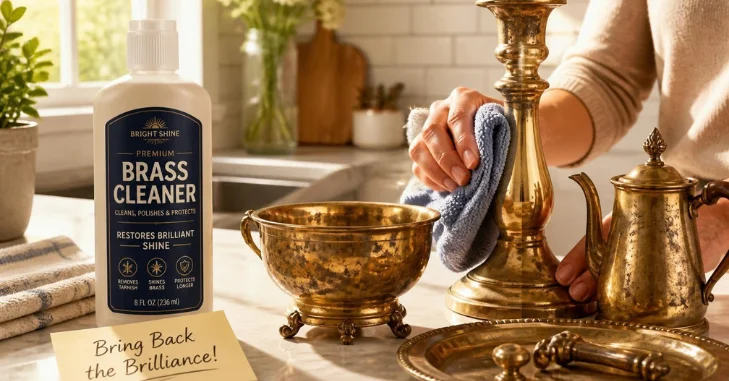
Choosing a brass cleaner starts with the finish, not the amount of tarnish. Solid, unlacquered pieces tolerate stronger polishing than coated or plated surfaces. Start gently, test a hidden area, and increase cleaning strength only when necessary.
Quick answer: For coated or plated finishes, the safest method is mild soap and warm water. For solid, unlacquered pieces, use a dedicated polish when you want a brighter surface. Test first, follow the product label, rinse off all residue, and dry immediately to reduce spotting and uneven discoloration.
Brass Cleaner Comparison: What Works by Finish
Current search results mix commercial polishes with household recipes, because both can work in the right situation. The main difference is control over the finish and how much tarnish it removes. A finish-first comparison helps prevent unnecessary abrasion or chemical exposure.
| Cleaning option | Best suited for | Main advantage | Main caution |
| Mild dish soap and water | Coated, plated, or lightly dirty surfaces | Lowest risk and inexpensive | May not remove heavy tarnish |
| Dedicated commercial polish | Known solid, unlacquered pieces | Fast, labeled instructions | Can remove patina and harm coatings |
| Lemon-based paste | Known unlacquered pieces | Low-cost household option | Acid can alter color or patina |
| Diluted vinegar method | Specific maker-approved finishes | Useful for mineral deposits | Do not soak unless instructions allow it |
| Tomato-based cleaner | Known unlacquered decorative pieces | Easy pantry option | Messy and less predictable than polish |
Brass Cleaner Start by Identifying the Surface
Brass cleaner first, decide whether the item is solid, plated, lacquered, or intentionally aged. A magnet that sticks often indicates plating over a magnetic base metal. A lack of attraction alone proves nothing, so inspect labels and wear points too.
Lacquered surfaces usually need only a soft cloth, mild soap, and water. Polishing compounds can cloud, scratch, or remove protective coatings. Manufacturer care instructions should override general cleaning advice when available.
Commercial Polishes Versus Pantry Methods
For known solid, unlacquered pieces, a commercial polish offers predictable instructions and fast tarnish removal. This Old House lists Brasso, Bar Keepers Friend, and Wright’s among current store-bought options. Always follow the label, because formulas and approved surfaces can differ.
Pantry acids can also lift oxidation, but they give you less control over the final appearance. Lemon, diluted vinegar, and tomato-based products appear across current cleaning guides. These methods can remove patina, so use them only when you want a brighter finish.
Seven Steps to Clean Tarnish Safely
Use the same careful sequence whether you choose a commercial or homemade method. The goal is to remove grime before attacking tarnish. That reduces scratching and keeps the result more even.
- Read the maker’s care instructions and decide whether you want to preserve any existing patina.
- Remove loose dust with a clean microfiber cloth before adding moisture or polish.
- Wash away surface grime with mild soap and warm water, then dry the item.
- Test the chosen method on a hidden area before treating the visible surface.
- Apply the cleaner lightly with a soft cloth, using minimal pressure on detailed areas.
- Remove all residue as directed on the label, especially after using an acidic recipe.
- Dry the surface immediately and buff gently only when the finish permits polishing.
How to Handle Heavy Tarnish Without Damaging the Item
Heavy tarnish does not automatically justify stronger scrubbing. Repeat a mild treatment before switching to a more aggressive method. Soft cloths and soft-bristled brushes are safer than coarse pads on detailed hardware.
Antiques require extra restraint because patina can contribute to appearance and value. Architectural Digest cites experts who warn against automatically polishing valuable aged pieces. If provenance or value matters, consult a qualified conservator or restorer before removing the surface patina.
Special Care for Faucets and Hard-Water Spots
Bathroom and kitchen fixtures collect soap film, fingerprints, and mineral deposits. Frequent drying can prevent some water spots before stronger cleaning becomes necessary. House of Rohl advises gentle soap-and-water care and immediate drying for its unlacquered finishes.
Homoya’s guide to installing a kitchen faucet covers material choices and routine fixture maintenance. Homes with persistent mineral deposits may also benefit from understanding water hardness. Homoya’s water softener cost guide explains hardness levels and system sizing for U.S. households.
What Not to Use on Decorative Metal
Abrasive pads, harsh scouring powders, and unknown solvents can scratch or discolor decorative metal. Strong chemicals may also attack coatings before you notice visible damage. Keep cleaning products intended for other surfaces away unless the manufacturer approves them.
Homoya’s trisodium phosphate cleaner guide explains why TSP is a strong degreaser for demanding household jobs. That strength does not make it a default choice for decorative metal. For this task, use a product approved for your finish.
How to Keep the Finish Looking Good Longer
Regular dusting and quick drying reduce the need for frequent polishing. Fingerprints and moisture can speed visible color changes on exposed metal. A soft cloth after handling or splashing is often enough for routine care.
If you prefer natural aging, avoid polishing every time the color deepens. Homoya’s copper gutter guide shows how homeowners often preserve a developing patina on another living metal. The same principle can help you decide whether you prefer brightness or age.
Our Recommendation for U.S. Homes
The safest buying decision is to match the product to the finish, not the marketing claim. Choose mild soap for coated or plated pieces, and dedicated polish for known unlacquered metal. Use homemade acidic recipes only when the maker permits them, and you want patina removed.
For most households, a small bottle of finish-approved polish plus microfiber cloths covers occasional restoration. Keep mild dish soap for routine care, because gentle maintenance reduces later work. This approach costs little, stores easily, and lowers the chance of accidental finish damage.
Next Step
Start by identifying your finish and deciding whether you want shine or patina. Then choose the mildest method that can achieve that goal. For tub hardware, Homoya’s bathtub plumbing guide can help identify surrounding valves and fittings.
Frequently Asked Questions
What is the best brass cleaner for tarnish?
No single product suits every finish. For known solid, unlacquered pieces, a dedicated polish is the most controlled choice. Coated or plated items usually need mild soap, water, and a soft cloth instead.
Can vinegar be used safely?
Sometimes, but the answer depends on the manufacturer and finish. House of Rohl allows a 50/50 water-vinegar solution on specific unlacquered fixtures, but not for soaking. Because care directions differ, follow the product’s instructions before applying acids.
How do I clean badly tarnished metal?
Begin with soap and water, then move to a finish-approved polish if the surface is known and suitable. For severe buildup, repeat gentle applications instead of scrubbing harder. Stop if the color changes unevenly, plating appears thin, or a coating begins lifting.
Should I polish an antique piece?
Not automatically. Aged surfaces may have desirable patina, and polishing can reduce that character. If the piece may be valuable, get specialist advice before removing its aged finish.
How often should I clean fixtures?
Clean grime and water spots as they appear, using the gentlest approved method. Dry wet fixtures quickly, especially in hard-water areas. Save polishing for times when you specifically want to restore a brighter appearance.