The asset turnover ratio is a key metric for measuring how efficiently a property generates revenue relative to its total value. For example, a $1,000,000 urban apartment earning $120,000 annually illustrates strong performance when paired with high-quality construction, modern layouts, and energy-efficient systems. Downtown locations with $25 per square foot rents outperform suburban units at $15 per square foot, while multi-unit properties, like a 20-unit complex generating $400,000 in yearly income.
Efficient management, cost control, and strategic renovations further enhance profitability. Office and retail buildings earning $200,000 to $500,000 annually showcase how location, quality, and portfolio size influence returns, providing investors with precise insights to optimize long-term growth and maintain a high asset turnover ratio.
| Basics | Details |
| Asset Turnover | Measures property revenue efficiency |
| Urban Apartments | $1,000,000 earns $120,000 annually |
| Material Quality | High-quality construction improves returns |
| Efficient Layout | Modern designs boost revenue generation. |
| Downtown Locations | $25 per sq ft rental income |
| Suburban Locations | $15 per sq ft lower rents |
| Multi-Unit Property | 20 units generate $400,000 yearly |
| Property Management | Efficient oversight increases turnover ratio. |
| Maintenance | Regular upkeep prevents income loss. |
| Cost Control | Reduces expenses, improves net income. |
| Office Buildings | $1,500,000 earns $200,000 annually |
| Retail Spaces | $3,000,000 with $500,000 revenue |
| Portfolio Size | Larger portfolios diversify income streams |
| Strategic Upgrades | Renovations increase the asset revenue ratio. |
| Profit Maximization | Ratio guides reinvestment and expansion. |
| Long-Term Growth | High ratios signal sustainable planning. |
Understanding Asset Turnover Ratio in Real Estate
The asset turnover ratio measures how effectively a property’s total value generates revenue. For a $1,000,000 urban apartment complex earning $120,000 in annual rent, the ratio is 0.12. It accounts for high-quality construction materials, efficient layouts, and modern finishes. Investors use it to benchmark performance across locations, asset types, and property sizes for precise income analysis.
Ratio and Location Impact

Location heavily influences the ratio. Properties in downtown commercial hubs with average rents of $25 per square foot achieve ratios around 0.18, while suburban apartments at $15 per square foot may achieve ratios around 0.10. High-demand areas improve occupancy, rental income, and overall efficiency. Investors factor local employment, infrastructure, and population growth to forecast returns accurately.
Role of Property Quality and Materials
High-quality construction materials, such as reinforced concrete, treated wood, and energy-efficient systems, boost the asset turnover ratio. Premium finishes attract tenants, reduce vacancies, and allow higher rent. A well-built $750,000 multi-family property earning $90,000 annually may have a ratio of 0.12, showing how quality and materials directly impact revenue generation relative to total assets.
Multi-Unit Properties
- Multi-unit residential properties often show stronger ratios due to diversified rental income streams.
- A 20-unit apartment complex costing $2,500,000 and generating $400,000 in annual rental revenue achieves a ratio of 0.16.
- Quantity, consistent management, and modern amenities reduce turnover risks, increase profits, and enhance operational efficiency compared to single-family properties with smaller cash flow contributions.
Management Efficiency and Turnover

Efficient property management significantly improves the asset turnover ratio. Regular rent collection, prompt maintenance, and tenant retention minimize income loss. For example, a $1,200,000 commercial property managed professionally may achieve a 0.14 ratio versus 0.09 with poor oversight. Effective use of property management software and trained staff ensures optimal revenue from existing assets and long-term profitability.
Cost Control and Revenue Optimization
Controlling costs and maximizing rental revenue directly influence the ratio. Energy-efficient HVAC systems, modern flooring, and low-maintenance landscaping reduce expenses, increasing net operating income. A $1,500,000 office building with $200,000 income achieves a 0.13 ratio. Strategic pricing, lease negotiations, and timely rent increases help maintain high revenue.
Retail and Commercial Spaces
Retail and commercial properties typically produce higher asset turnover ratios than residential units. A $3,000,000 shopping center with $500,000 annual rent achieves a ratio of 0.16. Multiple tenants, high foot traffic, and quality infrastructure enhance revenue. Investors consider tenant mix, lease terms, and location-specific demand to optimize turnover ratio and maximize profits while maintaining long-term property sustainability.
Impact of Size and Quantity of Assets
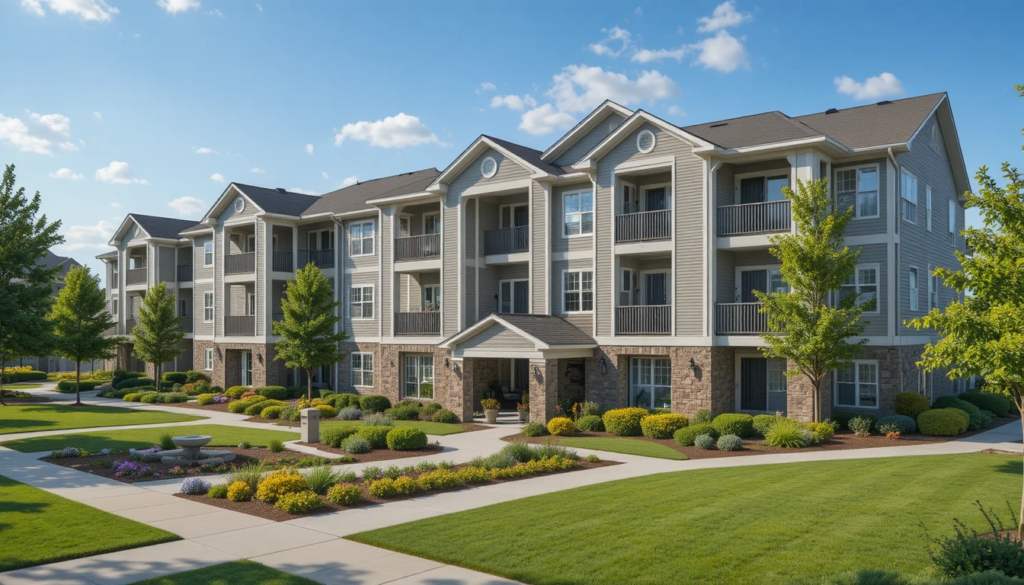
Portfolio size and unit quantity affect the ratio. Larger portfolios with 50+ units often achieve ratios of 0.15–0.18 due to diversified income streams. Smaller buildings may struggle to exceed 0.10. Strategic acquisitions, unit upgrades, and simultaneous management of multiple properties allow investors to improve operational efficiency, stabilize cash flow, and increase rental income relative to total assets.
Strategic Use for Profit Maximization
- Investors use the asset turnover ratio to maximize profits and optimize property portfolios.
- A $2,000,000 multi-family building generating $300,000 annually yields a 0.15 ratio, signaling strong income performance.
- Analysis of rent per unit, occupancy rates, and operating costs ensures accurate forecasting.
- Decisions on reinvestment, tenant improvements, and expansion rely on precise ratio calculations for long-term growth.
Long-Term Planning and Portfolio Growth

The ratio guides strategic real estate planning over time. High-performing properties with ratios above 0.15 indicate efficient revenue generation, guiding acquisitions, upgrades, and sales. Combining metrics such as ROI, net operating income, and turnover ratio helps investors allocate capital, forecast profits, and sustain sustainable growth across urban, suburban, and commercial markets.
Conclusion
In conclusion, the asset turnover ratio remains a vital tool for real estate investors seeking efficient revenue generation and long-term growth. By analyzing property location, quality, unit quantity, and management efficiency, investors can optimize rental income and control costs effectively. Multi-unit buildings, commercial spaces, and strategically upgraded portfolios consistently demonstrate higher ratios.
Monitoring and improving these factors ensures sustained profitability, informed investment decisions, and strong portfolio performance, making the asset turnover ratio an essential metric for maximizing returns across all property types.
Want to know about The Formula for the Cost of Equity: Essential Strategies and Calculations for Maximizing Returns in Real Estate Investments Check out our Real Estate category.
FAQs
Urban and high-demand areas typically yield higher rental income and occupancy rates, thereby improving overall performance. Suburban or low-demand locations may generate lower efficiency and slower revenue growth.
High-quality construction reduces vacancies, attracts tenants, and allows higher rents. Well-maintained materials and modern designs enhance long-term revenue and profitability for residential or commercial properties.
Multi-unit buildings diversify income streams, lower risks, and create consistent cash flow, often outperforming single-family homes in revenue generation and portfolio stability.
Effective management ensures timely rent collection, maintenance, and tenant retention, maximizing revenue while reducing operational losses and enhancing overall property profitability.
Strategic improvements increase tenant satisfaction, allow higher rents, reduce vacancies, and boost overall efficiency, helping properties generate better returns over the long term.